
WHAT WE TREAT
Babies & Infants| Osteopathy in Christchurch
The first months and years of life are a time of rapid growth and development. Babies are constantly learning to move, feed, sleep and interact with the world around them, while their bodies adapt to these changing demands.
At MK Osteopathy, we take a gentle and individual approach when working with babies and infants. We take the time to listen to parents, understand your concerns and consider how your baby is moving and responding.
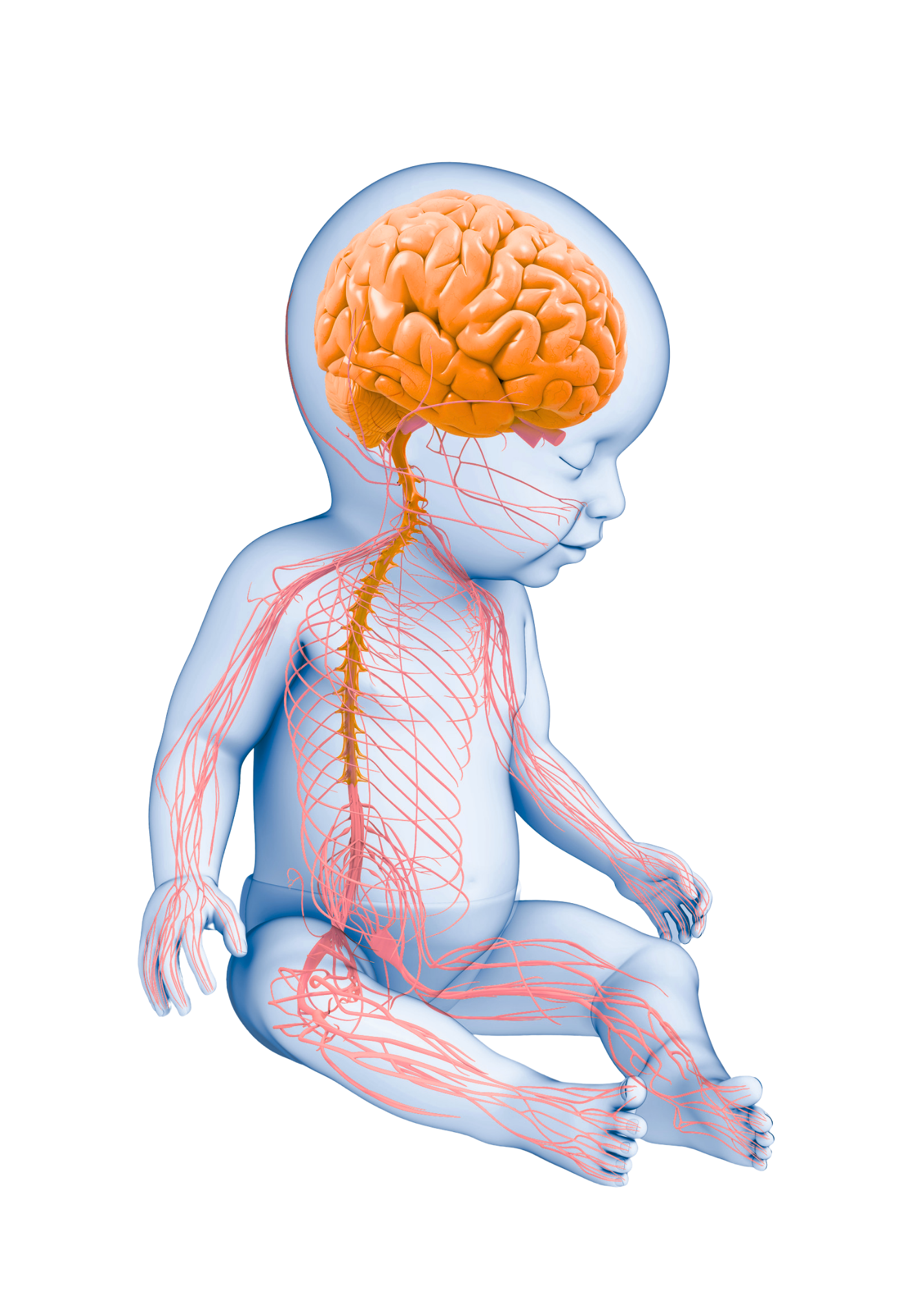
What are you experiencing, and what could be contributing?
-
Head or neck movement preferences.
Tension or stiffness.
Difficulty settling or signs of physical discomfort.
Asymmetrical movement.
Tummy or lying-position discomfort.
Changes in head positioning or preference for looking to one side.
Physical discomfort following birth or early development.
Concerns about movement as your baby becomes more active.
Feeding-related difficulties where musculoskeletal factors may be involved.
-
The physical demands of birth.
Positioning before or after birth.
Time spent in particular positions.
Developing movements patterns.
Differences in how your baby moves or turns their head.
Changes as your baby grows and becomes more active.
Feeding or positioning habits.
Previous illness or injury.
Other medical or developmental factors.
Every baby develops in their own way, with movement changing rapidly during the first years of life.
We take a gentle, individual approach to understanding how your baby moves, adapts and responds.
A plan that Suits Your Baby
Every baby develops at their own pace, so there is no single approach that suits every child.
Some babies may need only a small amount of support, while others may benefit from a series of appointments alongside advice from their wider healthcare team.
Your baby's care will be guided by what you are noticing, our assessment, your concerns as a parent and how your baby responds.
HOW WE CAN HELP
-
Our aim is to help you better understand what you are noticing and determine whether osteopathy may be appropriate for your baby.
-
We may work with you around musculoskeletal concerns such as:
Neck or body stiffness
Movement preferences
Asymmetrical movement
Physical discomfort
Position-related concerns
Tension following birth or during early development
-
Where we feel another healthcare professional would be better placed to assess your baby's symptoms, we will recommend appropriate referral or co-management.
Babies & Infants: FAQ
Babies & Infants:
Your Questions Answered
-
Osteopathic assessment and treatment for babies should be adapted to their age and individual needs. At MK Osteopathy, we use a gentle approach and only provide treatment where we consider it appropriate. If your baby's symptoms suggest that medical assessment is needed, we will recommend that you seek advice from an appropriate healthcare professional.
-
Babies can be assessed at different stages of infancy. The approach will depend on your baby's age, development and the reason for the appointment.
-
Colic and excessive crying can have many causes, and osteopathy should not be presented as a treatment for colic itself. If your baby is experiencing persistent crying or discomfort, it is important to discuss this with your GP or other appropriate healthcare professional. Osteopathy may be considered where musculoskeletal factors are also present.
-
Reflux is common in babies and can have different causes. Osteopathy does not treat the underlying digestive causes of reflux, but an assessment may be appropriate where there are additional musculoskeletal concerns. Persistent, severe or concerning reflux should be discussed with your GP or paediatrician.
-
Feeding difficulties can have many different causes. If physical tension or movement restrictions appear to be relevant, osteopathy may form part of a broader approach. Feeding concerns may also require assessment by a lactation consultant, midwife, GP or other healthcare professional.
-
Babies develop at different rates, and osteopathy should not be used as a way to guarantee or accelerate developmental milestones. If you have concerns about your baby's development or movement, it is important to discuss these with your GP or Plunket nurse. Osteopathic assessment may be appropriate for some musculoskeletal concerns alongside appropriate developmental support.
-
A preference for looking or turning to one side can have different causes. If you notice persistent asymmetry, difficulty turning the head or a strong positional preference, it is worth discussing this with your healthcare professional. An osteopathic assessment may also help assess movement and musculoskeletal factors.
-
Seek medical advice if your baby is unusually difficult to wake, has difficulty breathing, is not feeding normally, has persistent vomiting, has a fever, appears seriously unwell, has experienced significant trauma or you are concerned about their behaviour or development.
If you are worried about your baby, trust your instincts and seek appropriate medical advice.

Ready To Get Started?
Take the next step towards moving more comfortably.