
Active People & Athletes| Osteopathy in Christchurch
Whether you're a regular gym-goer, a runner, a team sports player or simply someone who loves keeping active, your body needs to adapt to the physical demands you place on it.
Training, exercise and sport can sometimes lead to muscle tightness, joint pain, restricted movement or injuries. These issues may develop gradually through repetitive loading and increased training intensity, or happen suddenly during physical activity.
Even minor discomfort can affect your performance, limit your training or stop you from enjoying the activities you love.
At MK Osteopathy, we look beyond the painful area to understand how your body moves, where restrictions or imbalances may be affecting you, and what might be contributing to the problem. Our aim is to help you recover, move more freely and return to the activities you enjoy with confidence.
WHAT WE TREAT
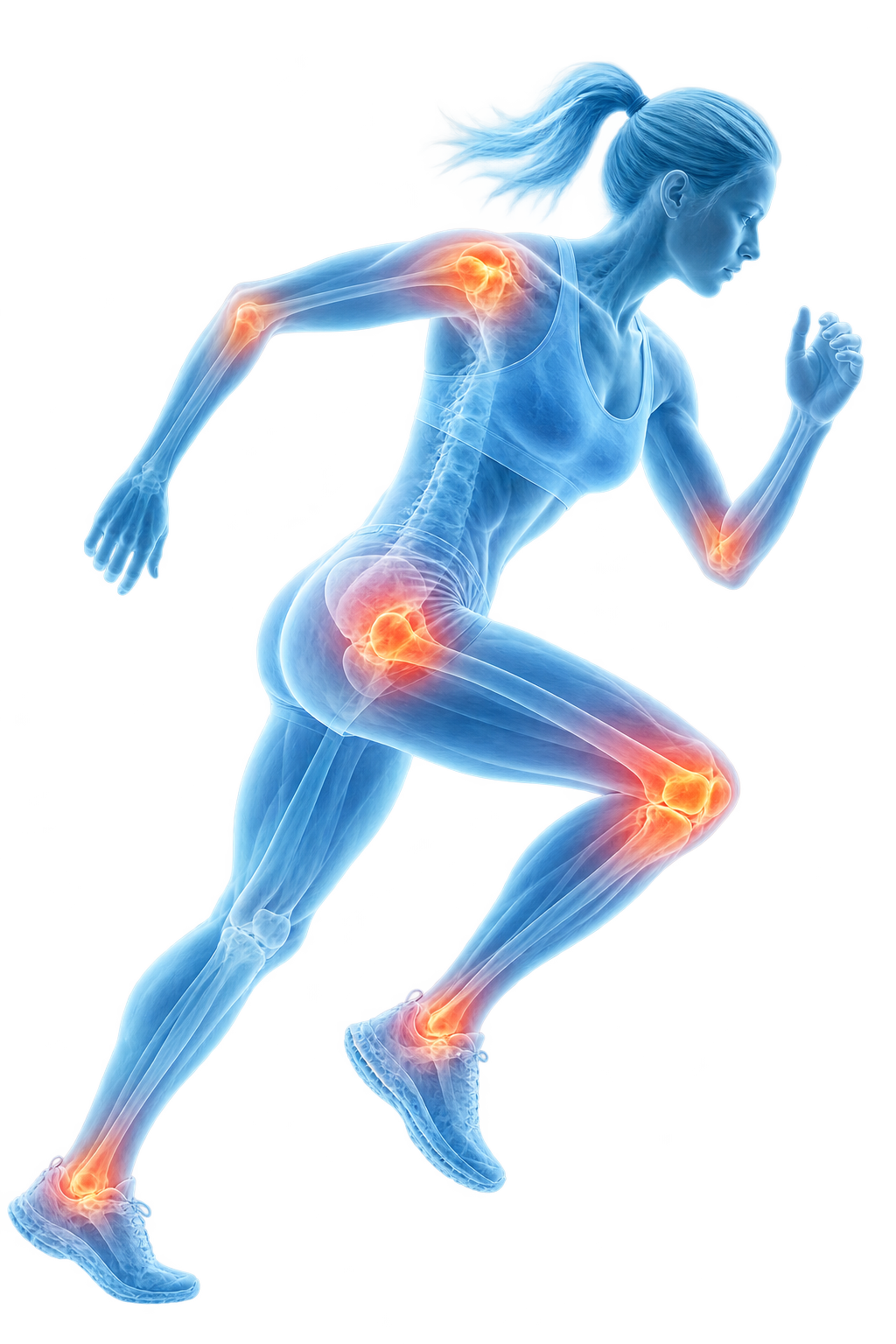
What are you experiencing, and what could be contributing?
-
Muscle aches or tightness.
Back and neck pain.
Shoulder, elbow or wrist discomfort.
Hip, knee or ankle pain.
Foot pain when walking or running.
Stiffness or restricted movement.
Pain during or after exercise.
Recurring injuries or persistent discomfort.
Difficulty returning to training after an injury.
Changes in how you move or perform.
Discomfort that limits your usual activities.
-
Training load - Sudden increases in training intensity, distance, frequency or duration can place additional demands on your body.
Previous injuries - Past injuries may influence your movement or how you manage certain activities.
Mobility - Restricted movement in particular joints or areas may affect how you perform certain movements.
Strength and coordination - How your body controls and coordinates movement can influence the demands placed on different areas.
Repetitive movements - Running, lifting, throwing and other repeated actions can place recurring demands on your muscles and joints.
Recovery and fatigue - Sleep, rest and recovery between sessions can influence how well you tolerate training.
Technique and movement patterns - The way you move during sport, exercise or everyday activities may be relevant to understanding your symptoms.
Everyday demands - Work, family life and other physical activities also contribute to your overall workload.
You don't have to be injured during a competition or training session to experience discomfort. Symptoms can develop during activity, afterwards or even during everyday movements.
Whether you're dealing with a new injury or a problem that keeps coming back, understanding what's contributing to your symptoms is an important place to start.
Supporting you at every stage of activity
Your goals will depend on the activities you enjoy and what you're currently experiencing.
We can work with you towards goals such as:
Managing discomfort during or after exercise.
Moving more comfortably during training.
Improving mobility for everyday and sporting movements.
Returning to activity following an injury.
Managing recurring aches and pain.
Understanding how your body responds to training.
Continuing to enjoy sport and exercise with greater confidence.
We believe every person needs a different approach.
HOW WE CAN HELP
-
We'll discuss your symptoms, training routine, previous injuries and the activities you want to return to or continue enjoying.
-
We'll assess relevant areas of your body, including movement, mobility and physical function, depending on your symptoms and goals.
-
Where appropriate, treatment may include hands-on osteopathic techniques to help manage musculoskeletal pain and stiffness.
-
We'll discuss practical strategies for managing your symptoms, adapting activities and returning to exercise or sport when appropriate.
Your treatment plan will depend on your individual presentation. If you need further assessment or a different type of care, we'll discuss the appropriate next steps.
Active People & Athletes: FAQ
Active People & Athletes:
Your Questions Answered
-
Yes. Osteopaths can assess many musculoskeletal problems associated with sport and physical activity. We'll determine whether osteopathic care is appropriate and recommend further assessment if needed.
-
Recurring symptoms can have several contributing factors. We can assess your symptoms, movement and relevant physical demands to help you understand what may be influencing the problem. Further assessment or support from another healthcare professional may sometimes be needed.
-
It depends on the nature and severity of your symptoms. Some activities may need to be modified while others may remain appropriate. Significant injuries, severe pain or symptoms that worsen with activity should be assessed before you continue training.
-
Absolutely. This page is for anyone who enjoys being active, whether you run recreationally, go to the gym, play social sport, dance, hike or simply want to keep moving comfortably.
-
Osteopathic care may form part of your recovery, depending on the injury and your needs. Returning to sport may also require progressive rehabilitation, strength and conditioning, or guidance from a physiotherapist or other appropriate healthcare professional.
-
We can assess relevant movement patterns as part of your appointment. More specific walking or gait assessment may also be appropriate, depending on your goals and the services available at the clinic.
-
Wear comfortable clothing that allows you to move easily. If relevant, you can bring information about your training routine, recent changes in activity or any previous injury assessments.
-
Seek urgent medical care for suspected fractures, significant injuries, inability to bear weight after an injury, sudden severe pain, new significant weakness or other concerning symptoms. Chest pain, fainting or unusual severe breathlessness during exercise also require urgent medical assessment.

Ready To Get Started?
Take the next step towards moving more comfortably.