
Massage Therapy in Christchurch
Relieve tension, move more comfortably and make time for yourself.
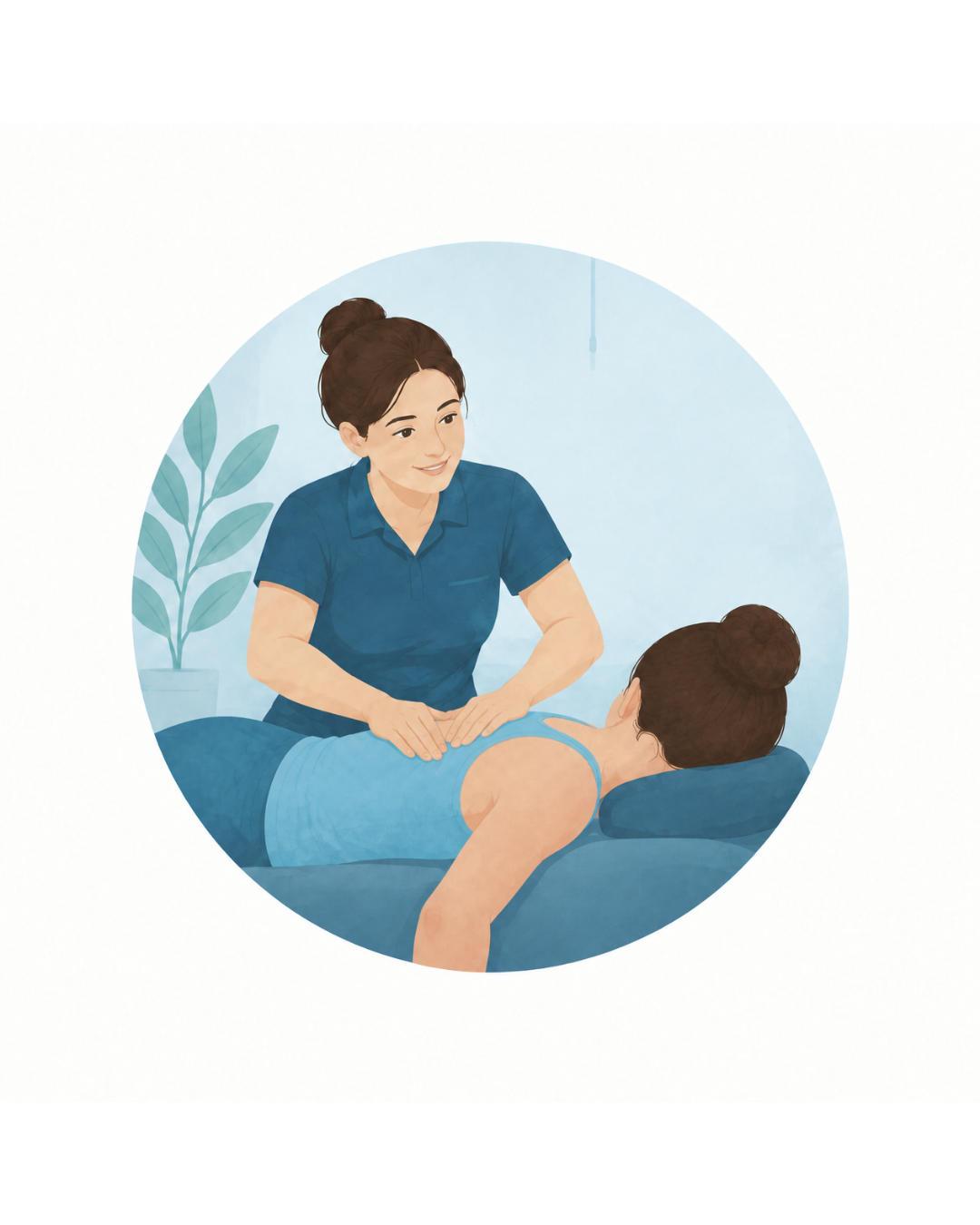
Massage therapy uses hands-on techniques to work with the body's soft tissues, including muscles and surrounding connective tissues. It can help relieve muscle tension, ease discomfort and promote relaxation.
At MK Osteopathy, our massage therapists tailor each session to your needs, whether you are looking for relaxation, relief from muscle tightness or support with physical demands from work, exercise or everyday life.
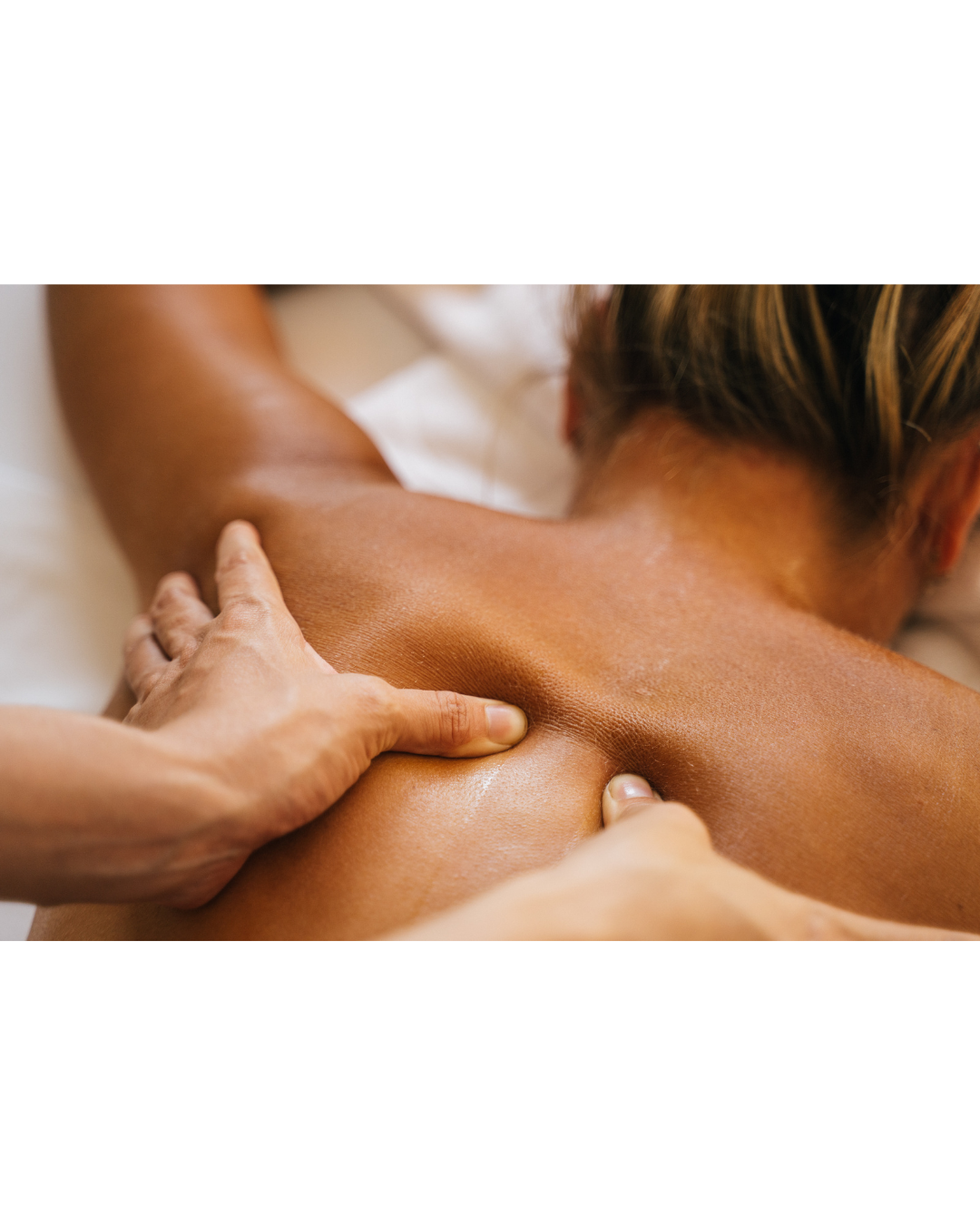
What is Massage Therapy?
Massage therapy involves the manual treatment of soft tissues to help manage muscle tension, stiffness and discomfort. Different techniques can be used depending on your symptoms, preferences and treatment goals.
Everyday activities, repetitive movements, physical exercise and prolonged positions can contribute to muscle tension and soreness. Massage provides an opportunity to address these areas while helping you relax and feel more comfortable in your body.
Our therapists take an individualised approach, adapting their techniques and pressure to suit your needs. Whether you prefer a gentle, relaxing massage or more focused work on specific areas, your session is tailored to you.
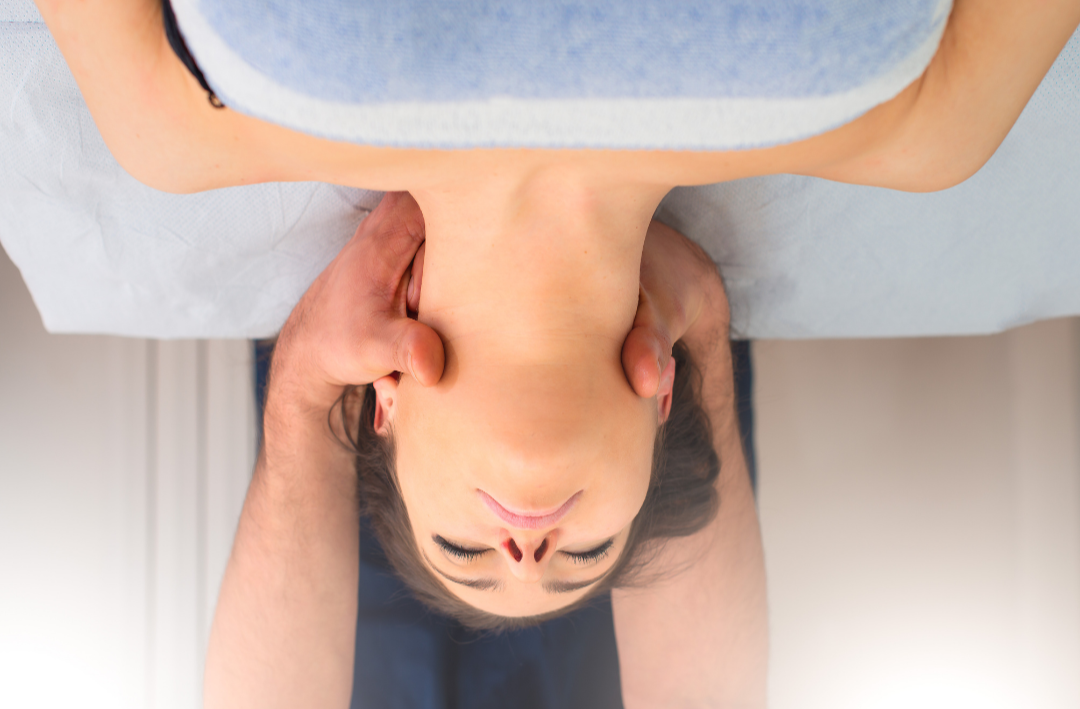
Types of Massage Therapy.
Our therapists use different massage techniques depending on your needs and preferences. Your session may include:
Relaxation Massage – Gentle, flowing techniques designed to help you unwind, reduce feelings of tension and promote relaxation.
Deep Tissue Massage – More focused techniques targeting deeper layers of muscle and surrounding tissues to address areas of persistent tension. Pressure is adapted to your comfort.
Trigger Point Therapy – Targeted pressure applied to specific areas of muscle sensitivity or tension, where appropriate.
Sports Massage – Massage techniques suited to the physical demands of exercise and sport, helping manage muscle soreness and tension.
Gentle Massage Techniques – Lighter pressure for people who prefer a gentler approach or need treatment adapted to their comfort and sensitivity.
Your therapist may combine techniques during a session to provide an approach suited to your individual needs.
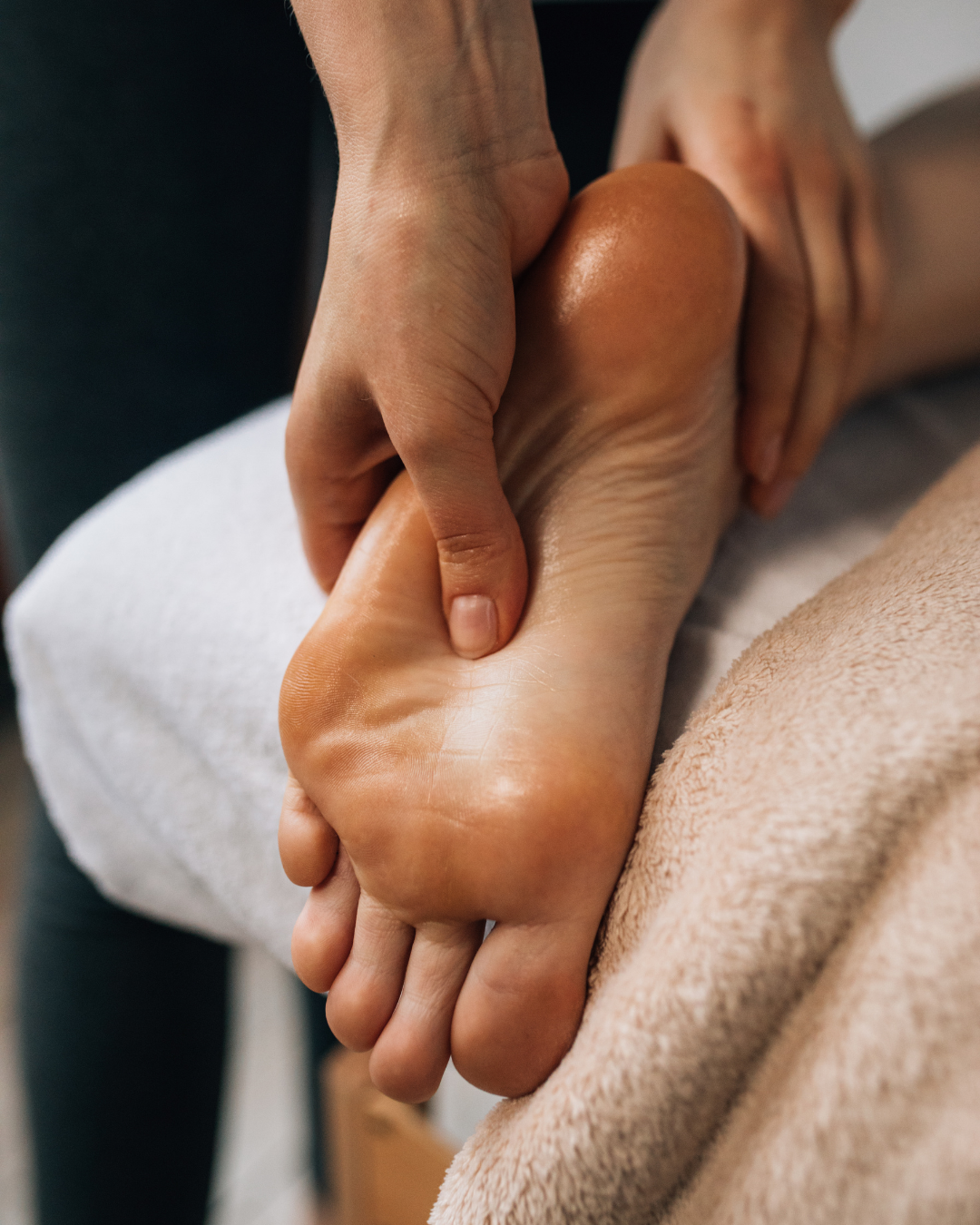
How and who can Massage Therapy help?
Massage therapy may be useful if you experience muscle tension, stiffness or physical discomfort, or if you want to relax and take time for yourself.
It may be particularly relevant for people who experience:
Muscle tension or stiffness in the neck, shoulders, back or other areas
Discomfort associated with prolonged sitting, repetitive tasks or physically demanding work
Muscle fatigue following exercise, training or sporting activities
Tension in the neck and shoulders that may contribute to some headaches
Stress or difficulty switching off and relaxing
A desire to support recovery and maintain comfortable movement during everyday activities
Massage may also be useful for office workers, active people, athletes and those whose work or daily routines place repeated demands on their bodies.
Massage can help manage muscle tension and may provide short-term relief from some types of discomfort. Its effects vary between individuals, and it may not address every cause of pain. Your treatment will be tailored to your individual needs, preferences and goals.
Massage Therapy Appointment?
Your appointment is tailored to you. Here’s what you can expect.
We begin by discussing your preferences, areas of tension, symptoms and any relevant health history. This helps your therapist understand what you would like to achieve from the session.
Understanding Your Symptoms
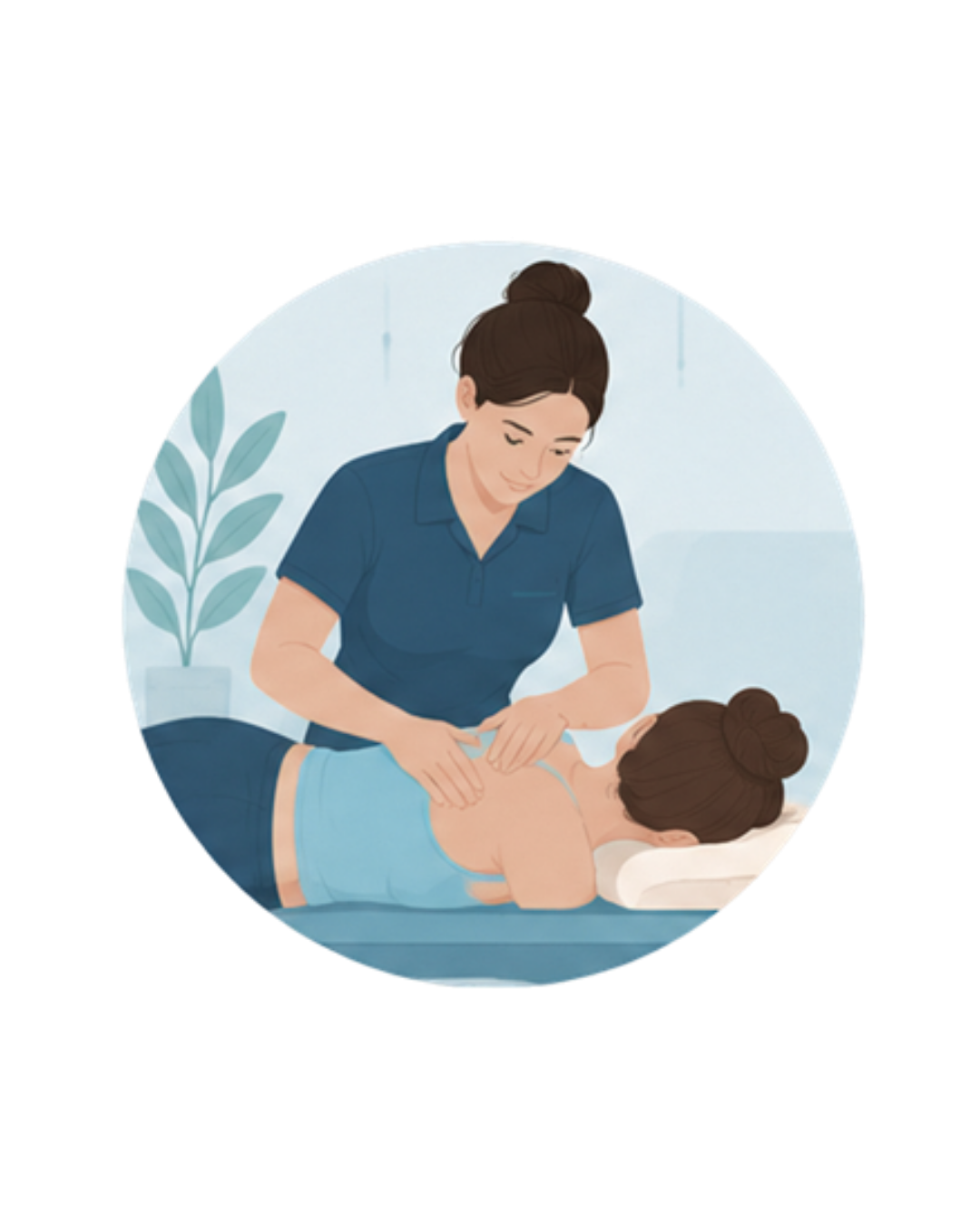
Personalised Treatment
Your therapist selects techniques and pressure suited to your needs, focusing on the areas discussed while adapting the treatment as necessary.

Your comfort is a priority throughout the session. You can ask for adjustments to the pressure, technique or areas being treated at any time. Your therapist will obtain your consent before treatment and respect your preferences throughout.
Ongoing Communication
Aftercare Advice
Where appropriate, your therapist may offer simple advice to support your comfort after the session, including hydration, movement or managing your activity levels.

Massage Therapy: Frequently Asked Questions
Massage Therapy: FQA
-
Relaxation massage generally uses gentler, flowing techniques to promote relaxation. Deep tissue massage uses more focused pressure to work with areas of muscle tension. Your therapist can adapt either approach to your preferences and comfort.
-
Appointment lengths depend on the service you book. Contact us or check our online booking system for available options and current appointment times.
-
Massage should be adapted to your comfort. Some focused techniques may create temporary sensitivity, but you should communicate with your therapist if the pressure feels uncomfortable. Stronger pressure is not necessarily more effective.
-
This depends on your goals, symptoms, preferences and response to treatment. Some people book occasionally for relaxation, while others prefer regular sessions to help manage recurring muscle tension. Your therapist can discuss suitable options with you.
-
Yes. No two people experience muscle tension in exactly the same way, so your massage is adapted to your preferences, comfort and individual needs. Whether you want to focus on a particular area or enjoy a more general relaxation treatment, your therapist will tailor the session to you, taking into account how your work, daily activities, exercise and lifestyle may influence your muscle tension.
-
Massage can provide time to relax and may help reduce feelings of stress in the short term. Individual responses vary, and massage is not a substitute for appropriate support when stress is significantly affecting your wellbeing.
-
Massage may help reduce the sensation of muscle soreness and improve perceived recovery for some people. It can be part of your recovery routine alongside appropriate rest, nutrition and activity management.
-
Massage is suitable for many people, but certain medical conditions, injuries or symptoms may require modifications or further assessment before treatment. Let your therapist know about relevant health concerns, recent injuries, medications and any areas of sensitivity before your appointment.
-
Standalone massage therapy provided by a massage therapist is generally not covered by ACC. However, if you have an accepted ACC claim, treatment provided by an ACC-registered osteopath may include massage techniques where clinically appropriate. Please contact us if you are unsure which type of appointment is right for you.

Ready To Get Started?
Take the next step towards moving more comfortably.