
Shoulder, Arm & Hand Pain| Osteopathy in Christchurch
Shoulder, Arm and Hand pain can affect much more than just the area that hurts. It can make everyday activities such as getting dressed, reaching, lifting, working or sleeping more difficult. Pain can develop suddenly following an injury or build gradually through repetitive use, changes in activity or other factors.
There isn't always one clear reason for shoulder, arm or hand pain. The way different parts of the body move and work together can influence how you feel and function.
At MK Osteopathy, we look at your symptoms alongside your movement, strength, mobility and daily activities to help understand what may be contributing to your discomfort.
WHAT WE TREAT
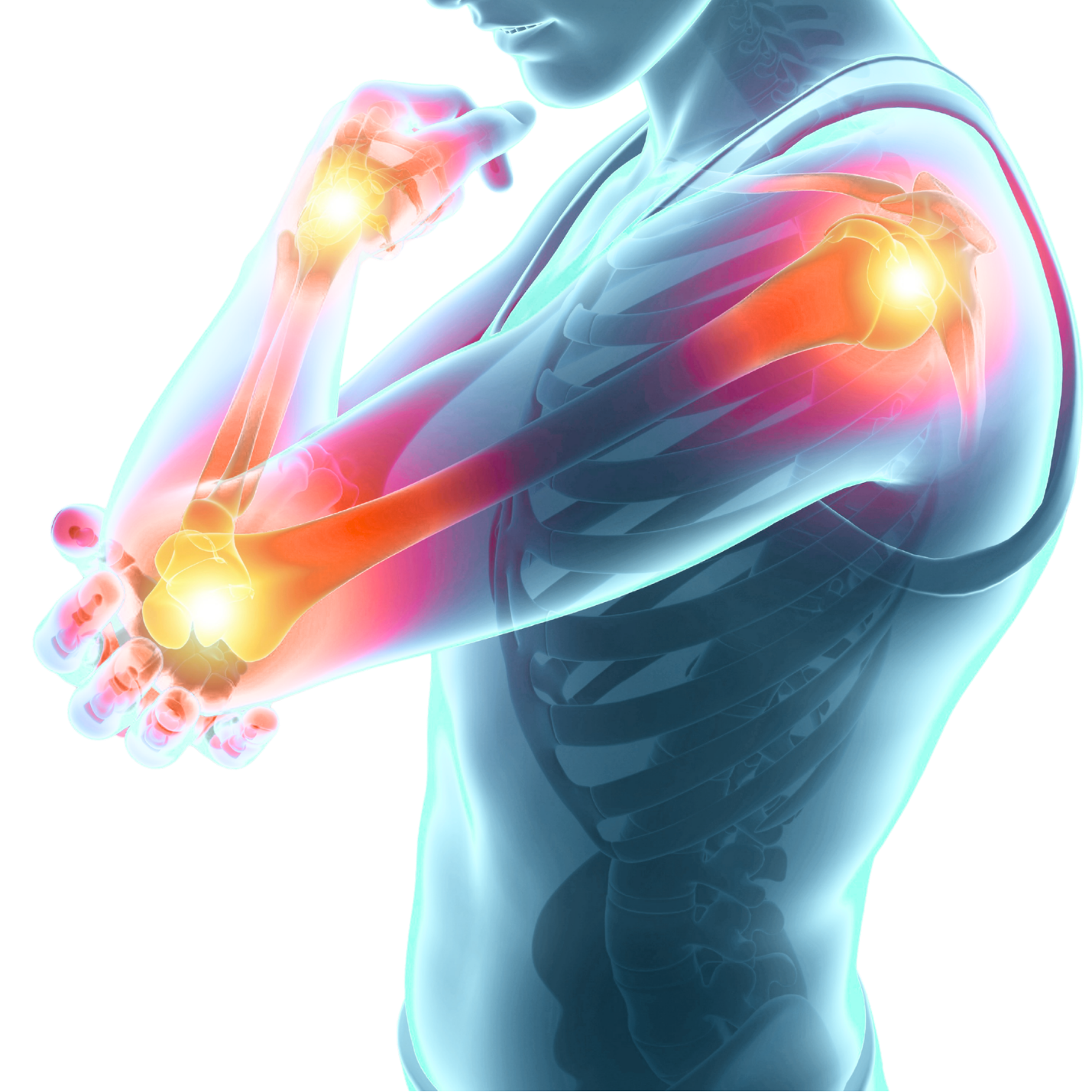
What are you experiencing, and what could be contributing?
Shoulder, arm and hand pain can affect how you move, work and manage everyday activities.
Understanding how your symptoms relate to your movement and daily activities can help guide a more individual approach to treatment.
-
Pain or aching in the shoulder, arm, wrist or hand.
Stiffness or reduced range of movement.
Pain when reaching, lifting or carrying.
Pain associated with repetitive movements.
Difficulty putting on clothing or performing everyday tasks.
Pain or discomfort when sleeping.
Weakness or reduced grip strength.
Tingling, pins and needles or numbness.
Symptoms that travel from the neck or shoulder into the arm or hand.
-
Previous injuries or trauma.
Repetitive movements or overuse.
Changes in activity or workload.
Joint stiffness or reduced mobility.
Muscle weakness or altered coordination.
Tendon or muscle irritation.
Arthritis or other joint changes.
Nerve irritation or compression.
Postural and movement patterns.
Shoulder conditions such as frozen shoulder or rotator cuff problems.
A plan that Suits You
There is no single approach to shoulder, arm or hand pain.
Some people may benefit from hands-on treatment to help settle pain and improve movement, while others may need support gradually rebuilding strength, mobility or confidence with movement.
Your treatment plan will be based on your assessment, your goals, your daily activities and how your body responds over time.
HOW WE CAN HELP
-
We take the time to listen to your concerns, understand your symptoms, assess your movement and explain how the symptoms relate to the way you move and use your body.
-
Your osteopath may assess your range of movement, joint mobility, muscle function, strength and coordination, as well as how different areas of your body work together.
-
Depending on your individual needs, treatment may include hands-on osteopathic techniques, myofascial approaches and movement-based rehabilitation.
The aim is not simply to focus on the area that hurts, but to understand the factors that may be contributing to your symptoms and help you move more comfortably and confidently.
Shoulder, Arm & Hand Pain: FAQ
Shoulder, Arm & Hand Pain:
Your Questions Answered
-
There can be many different causes and contributing factors. Pain may develop after an injury, through repetitive use or changes in activity, or alongside issues such as joint stiffness, tendon irritation, muscle dysfunction or nerve irritation. Sometimes several factors interact rather than there being one obvious cause.
-
Yes. Problems affecting the shoulder can sometimes cause symptoms that extend into the upper arm. However, pain travelling further down the arm may also involve the neck or nerves, so your symptoms should be assessed rather than assuming the shoulder is the only source.
-
Pain with lifting can be associated with several different factors, including changes in shoulder movement, muscle or tendon irritation, joint stiffness or changes in how the shoulder blade and upper body move together. An assessment can help determine what movements are limited or uncomfortable and what may be contributing.
-
They can. Irritation of structures in the neck can sometimes contribute to pain, tingling, numbness or other symptoms that travel into the arm or hand. These symptoms can have different causes, so an appropriate assessment is important.
-
Osteopathic treatment may be appropriate for some people with musculoskeletal shoulder, arm or hand pain. Your osteopath will assess your symptoms and movement and discuss whether hands-on treatment, movement-based rehabilitation or other approaches may be appropriate for you.
-
This varies from person to person and depends on factors such as the nature and duration of your symptoms, your activity levels, previous injuries and how your body responds to treatment. Your osteopath can discuss your individual situation with you after your assessment.
-
If your pain is severe, follows significant trauma, is associated with marked weakness, loss of sensation or other concerning symptoms, medical assessment may be appropriate. If you are unsure about your symptoms, your osteopath can discuss whether further assessment or referral is recommended.
Ready To Get Started?
Take the next step towards moving more comfortably.