
Rolfing Structural Integration in Christchurch
Supporting posture, balance and ease of movement.
Rolfing Structural Integration is a hands-on approach that works with the body's connective tissues, particularly fascia, to support posture, balance and movement. It explores how different areas of the body relate to one another and how patterns of tension may influence the way you stand, move and feel.
At MK Osteopathy, we use Rolfing to work with the relationship between your body's structure and movement, tailoring each session to your individual needs and goals.
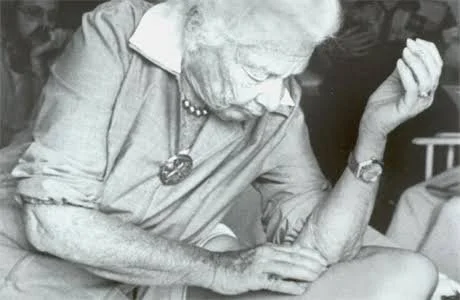
What is Rolfing Structural Integration?
Rolfing Structural Integration is a specialised form of bodywork that focuses on fascia, the connective tissue that surrounds and supports muscles and other structures throughout the body.
Injuries, repetitive activities, prolonged positions and everyday movement habits can influence how you hold tension and move. Rolfing uses hands-on techniques to work with the body's connective tissues and explore how these patterns may relate to posture, mobility and physical comfort.
Rolfing is part of the broader field of Structural Integration, which considers how the body is organised in relation to gravity. It can also draw on the Anatomy Trains model, which explores connections between different areas of the body's fascial system.
Rather than focusing only on the area where you feel discomfort, Rolfing takes a whole-body approach, considering how different parts of your body work together.
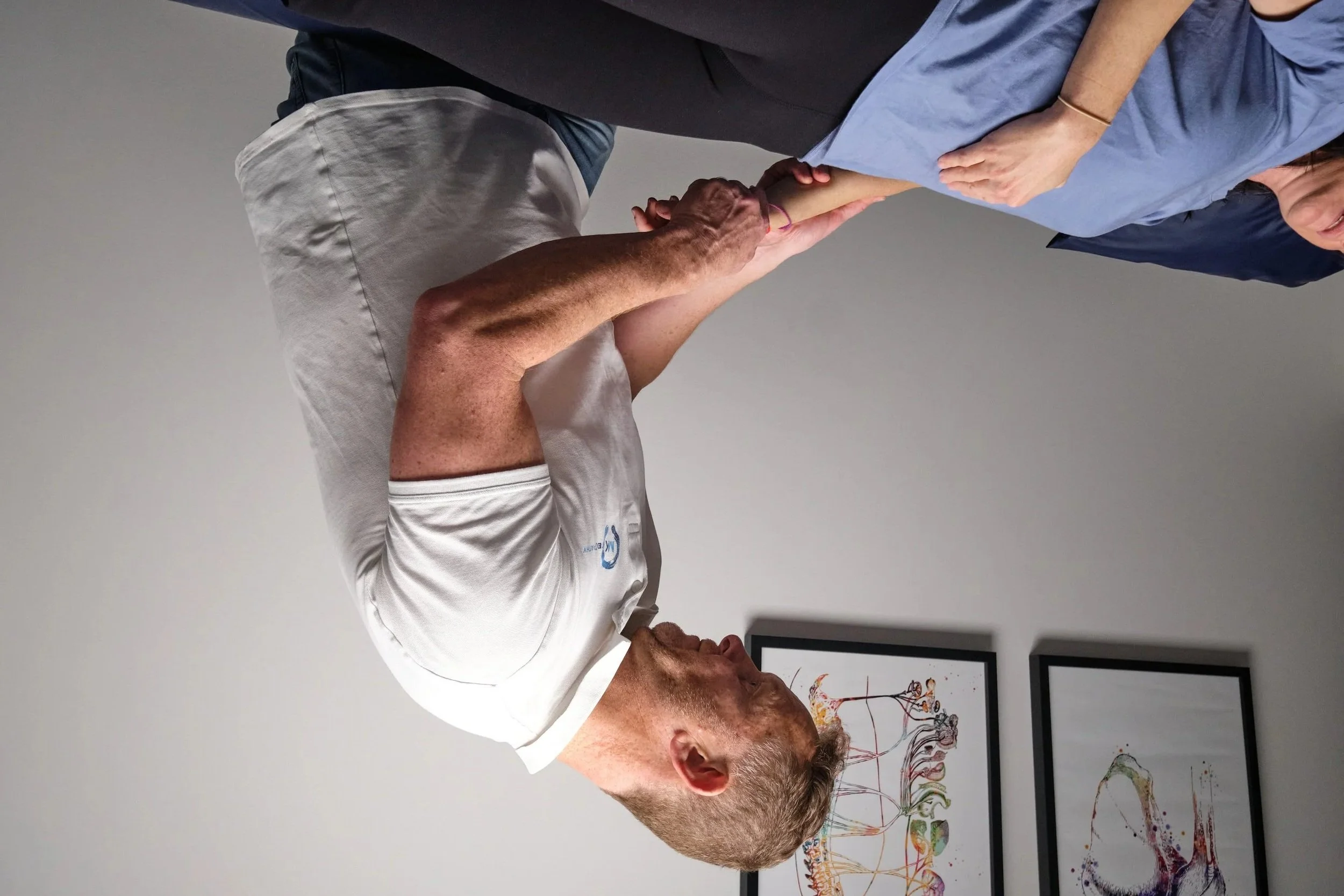
The connection between fascia, posture and movement.
The way you stand and move can be influenced by more than the area where you feel tension or discomfort. Your body's connective tissues, movement habits and the demands of everyday life can all play a role.
We consider things such as:
Fascia and connective tissue – How the tissues surrounding and supporting your muscles relate to tension and ease of movement.
Posture and alignment – How you hold your body and how different areas relate to one another.
Movement patterns – How you move during everyday activities and whether particular habits may be contributing to restrictions or discomfort.
Previous injuries – How changes following an injury may influence your posture, movement and comfort.
Work and lifestyle – How prolonged sitting, repetitive tasks, physical work and exercise may affect the way your body moves.
Whole-body connections – How different areas of the body are connected through the fascial system and may influence one another.
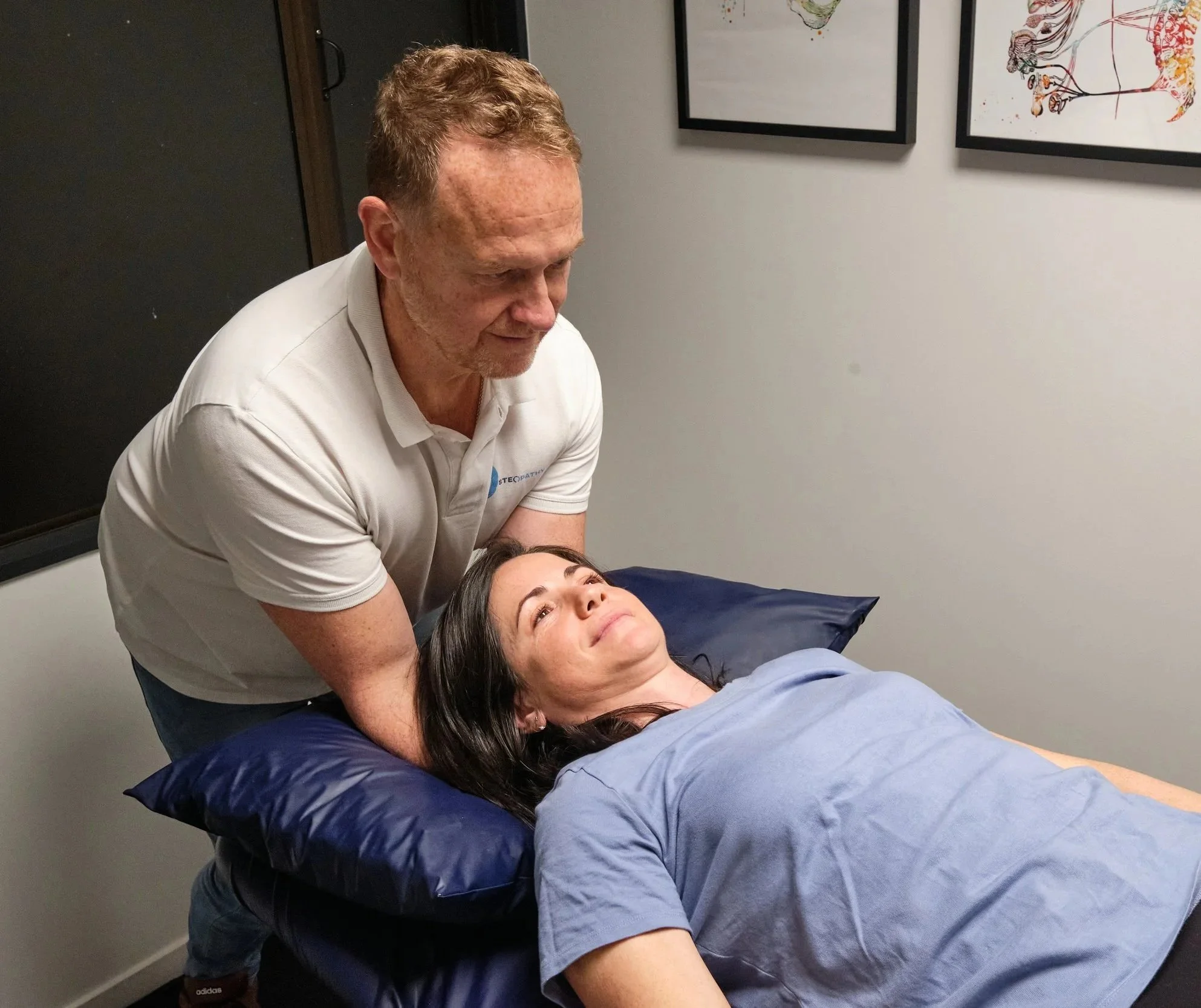
How and who can Rolfing help?
Rolfing may be suitable for people looking to improve their movement, address physical tension or develop greater awareness of their posture and body mechanics.
It may be worth considering if you experience:
Ongoing muscle tension or physical discomfort.
Restricted mobility or flexibility.
Postural concerns or a feeling of imbalance.
Movement difficulties following an injury.
Physical strain associated with work or repetitive activities.
A desire to move more comfortably during sport, exercise or everyday life.
Rolfing can also appeal to active people, athletes, dancers and those whose work places repeated physical demands on their bodies.
Everyone is different, and results vary. Your therapist will discuss your concerns and goals to help determine whether Rolfing is an appropriate option for you.
Rolfing Integrating Therapy Appointment?
Your appointment is tailored to you. Here’s what you can expect.
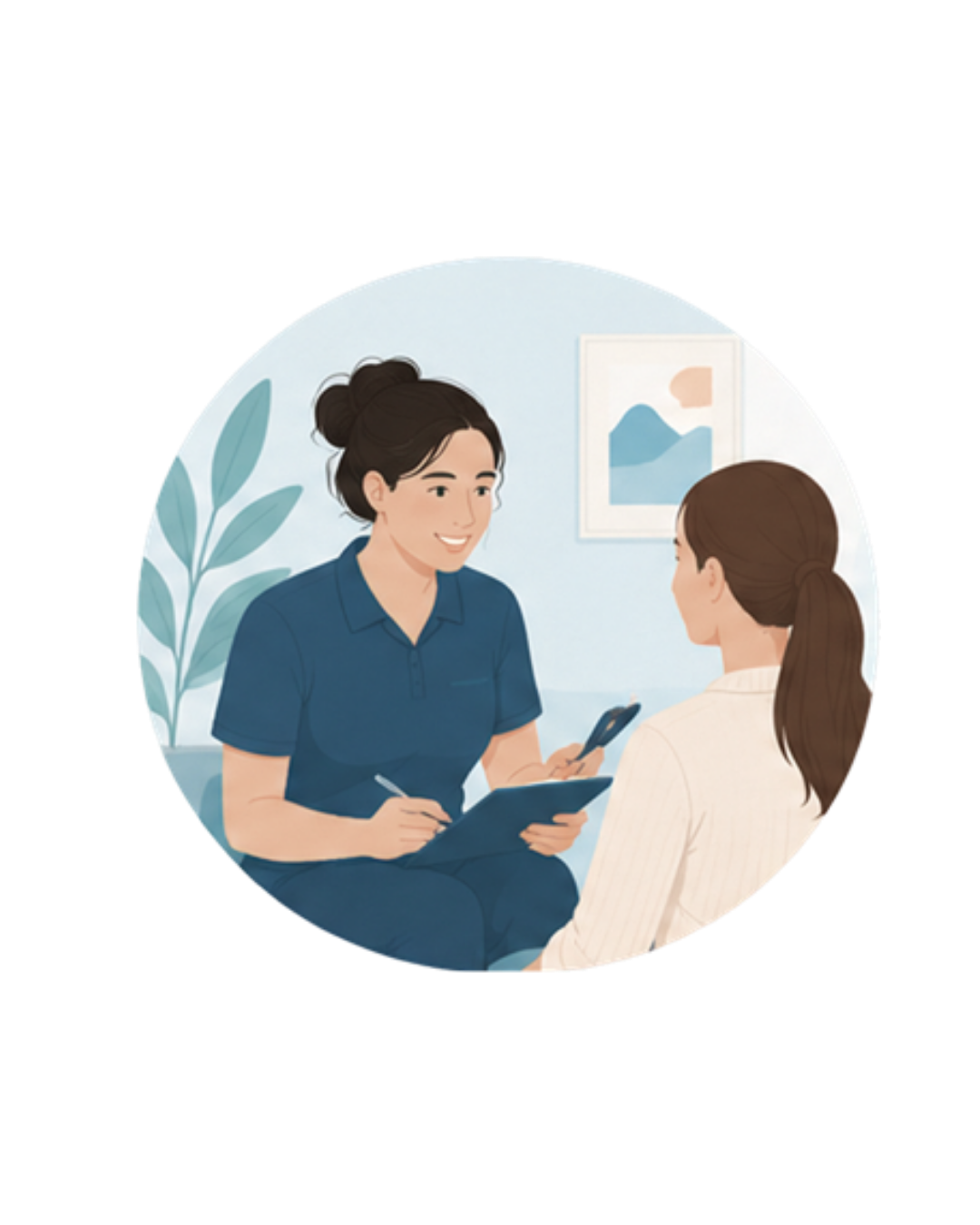
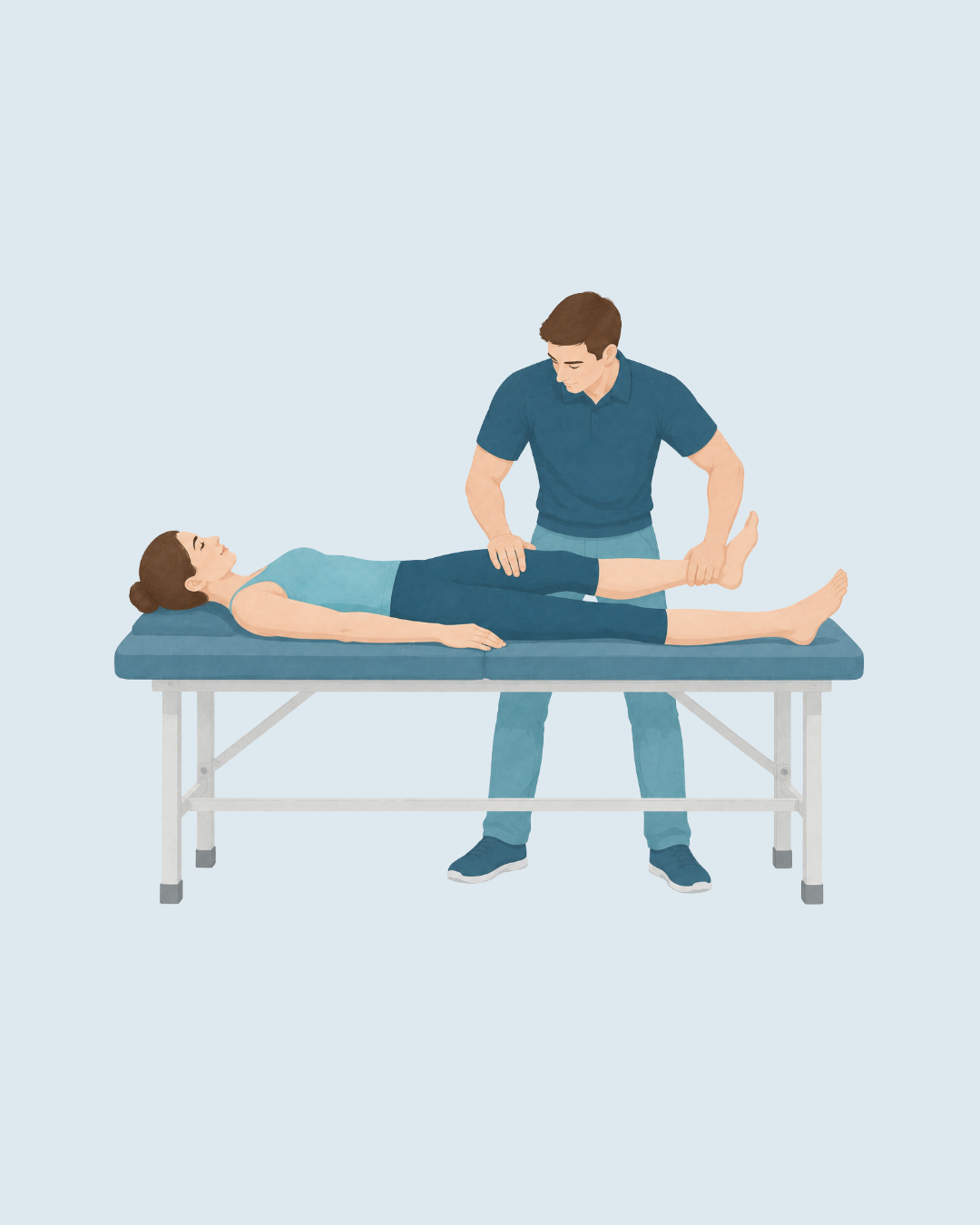
We start by discussing your symptoms, your history and what you would like help with.
Understanding Your Symptoms
Movement & Muscle Assessment
Your therapist assesses your movement and uses specific muscle testing to identify imbalances and compensations your body may have developed.
Treatment focuses on addressing identified muscle imbalances and improving how your muscles work together, using techniques tailored to your needs.
We discuss what you can do between appointments to support your recovery and return to the activities that matter to you.
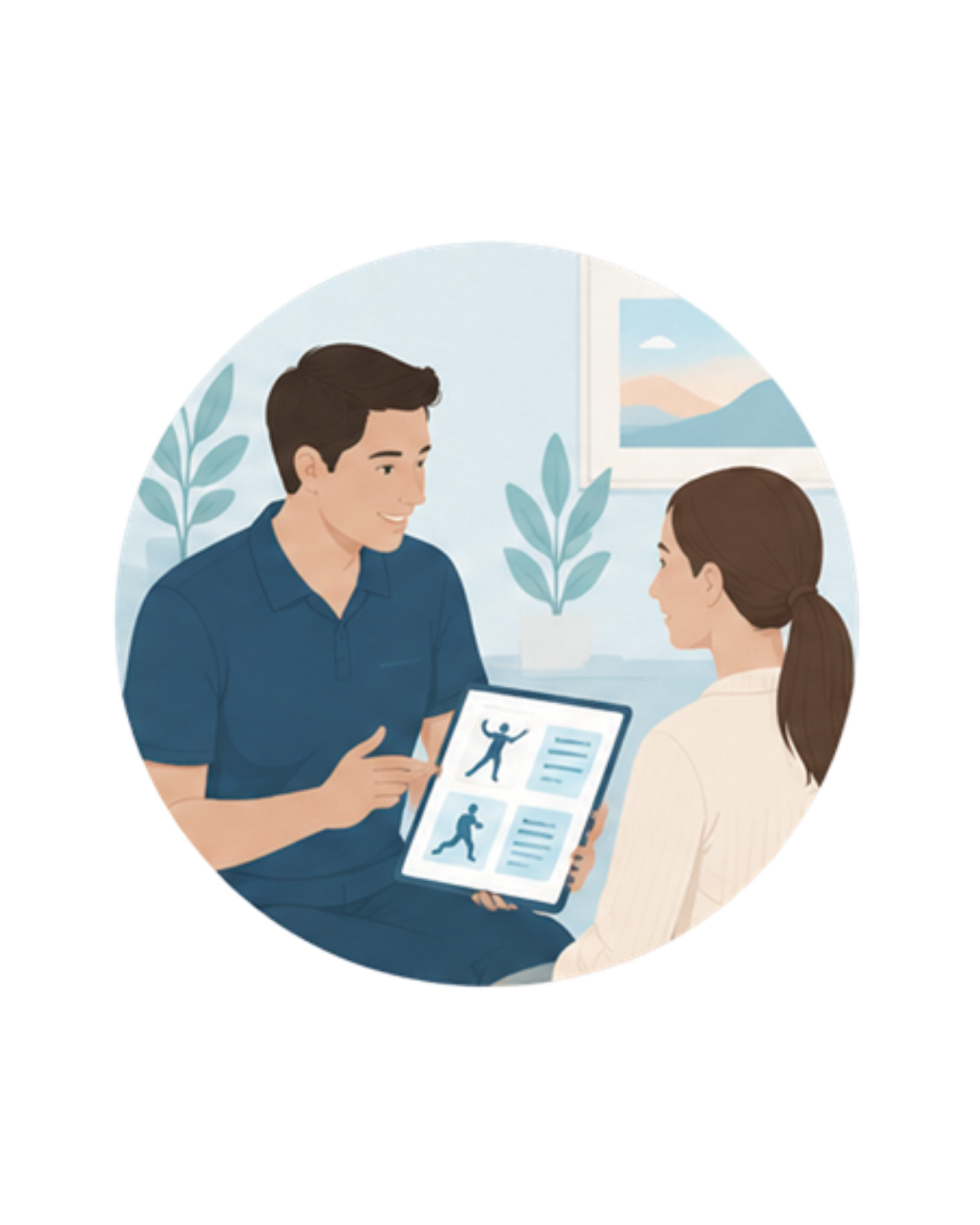
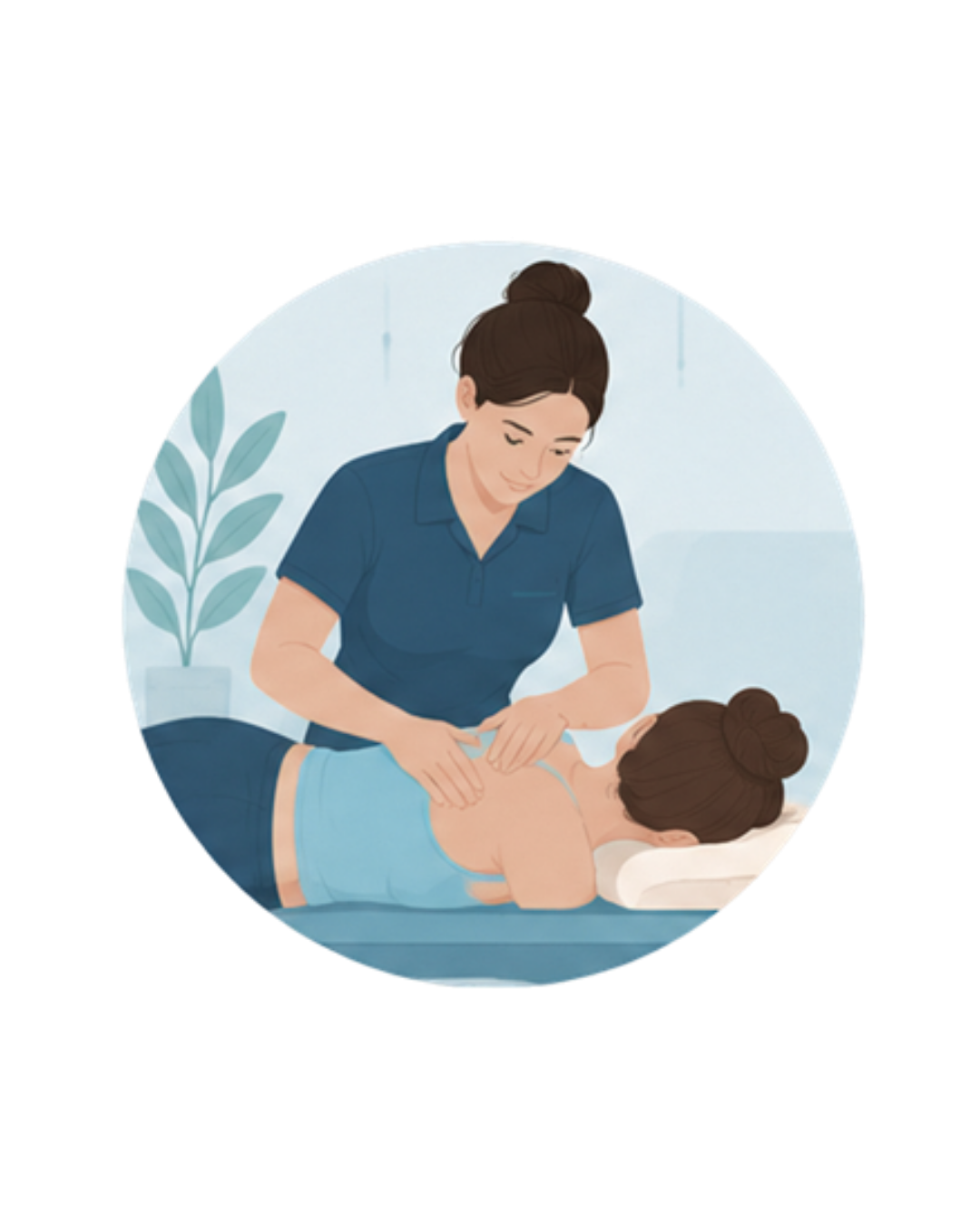
Personalized Plan
Targeted Treatment
Rolfing Integrating Therapy: FAQ
Rolfing Integrating Therapy: Frequently Asked Questions
-
Rolfing is a hands-on approach that works with the body's fascia and connective tissues, with the aim of supporting posture, balance and ease of movement. It considers the body as an interconnected whole rather than treating each area in isolation.
-
Both approaches use hands-on treatment, but they have different frameworks and methods. Rolfing focuses particularly on the body's connective tissues, structural relationships and movement patterns. Osteopathy takes a broader approach to assessing and treating musculoskeletal concerns. Depending on your needs, these approaches may complement one another.
-
Traditional Rolfing is commonly delivered as a series of 10 sessions, with each session focusing on different aspects of the body's structure and movement. Your therapist can explain the series and help you decide whether it is appropriate for you.
-
A typical session lasts approximately 60 minutes, allowing time for discussion, assessment and hands-on treatment.
-
The treatment involves hands-on work with the body's tissues, and you may experience varying levels of pressure or sensitivity. Your comfort is important, and the techniques can be adjusted to suit your needs. You should feel comfortable communicating with your therapist throughout the session.
-
Rolfing may help some people manage physical tension and movement restrictions. Recurring pain can have many contributing factors, so an appropriate assessment is important to determine whether Rolfing may be helpful as part of your care.
-
Rolfing is not appropriate for every person or condition. Your therapist will consider your health history, symptoms and goals before recommending treatment. If further medical assessment or another treatment approach is needed, we will discuss this with you.
-
ACC coverage depends on your injury, claim and the treatment provider's eligibility to deliver the relevant service. Please contact us before booking to discuss your circumstances and any applicable fees.
Ready To Get Started?
Take the next step towards moving more comfortably.