
Jaw Pain| Osteopathy in Christchurch
Jaw pain can affect much more than the jaw itself. It may make chewing, speaking, yawning or opening your mouth uncomfortable, and symptoms can sometimes be felt around the face, ears, head or neck.
Jaw symptoms can develop gradually or following an injury, and may be associated with the temporomandibular joint (TMJ), the muscles around the jaw, teeth and dental problems, or other factors.
At MK Osteopathy, we look at your jaw symptoms alongside how your jaw, neck and body are moving and functioning to help understand what may be contributing to your discomfort.
WHAT WE TREAT
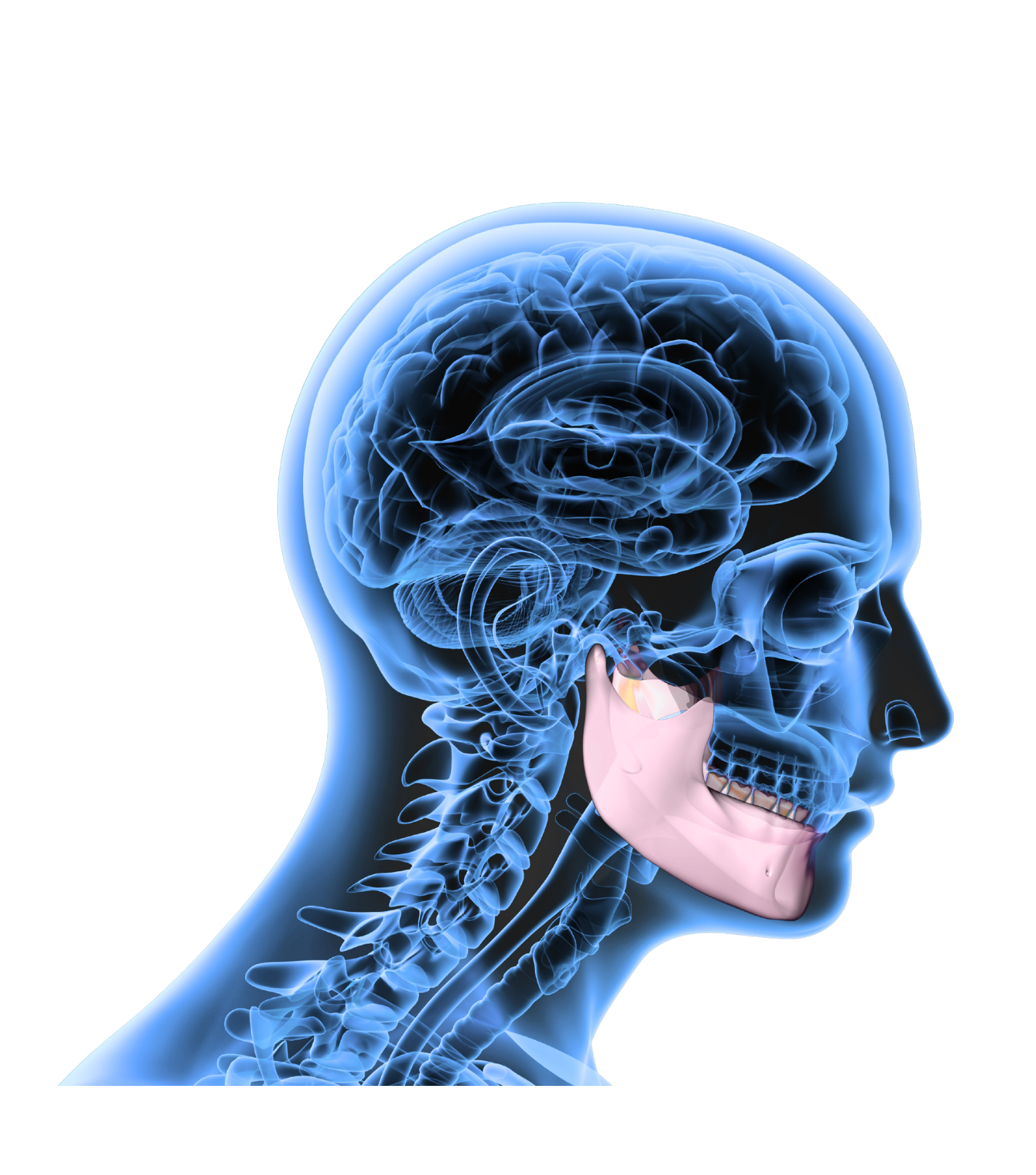
What are you experiencing, and what could be contributing?
Your jaw works closely with the muscles and joints around your head and neck.
Changes in jaw movement or muscle tension can sometimes affect how comfortably you chew, speak or move.
-
Jaw pain or tenderness.
Pain or discomfort when chewing.
Difficulty or discomfort when opening or closing the mouth.
Clicking, popping or other jaw sounds.
Jaw stiffness or restricted movement.
Neck or upper shoulder tension.
Jaw locking or catching.
Facial pain or tension.
Headaches associated with or facial tension.
Ear discomfort or aching.
Ringing in the ears (tinnitus).
Teeth grinding or clenching.
-
Jaw clenching or teeth grinding (bruxism).
Previous injury or trauma to the jaw.
Changes in how the jaw moves.
Tension or altered function in the muscles around the jaw.
Joint stiffness or reduced mobility.
Temporomandibular joint (TMJ) problems.
Neck and upper body movement patterns.
Prolonged stress or increased muscle tension.
Dental problems affecting the teeth or gums.
Arthritis or changes within the jaw joint.
A plan that Suits You
Jaw pain can vary considerably from person to person, so your treatment will be tailored to your individual symptoms and needs.
Some people may benefit from gentle hands-on treatment to support comfortable movement, while others may benefit from strategies to manage muscle tension, clenching habits or movement patterns.
Your treatment plan will be guided by your assessment, your goals and how your symptoms respond over time.
HOW WE CAN HELP
-
We take time to understand your symptoms, how they started and what activities may aggravate or ease them.
-
Your assessment may include looking at:
Jaw movement and range of motion
Jaw joint function
Muscles around the jaw and face
Neck and upper body movement
Muscle tension and coordination
How your symptoms relate to chewing, speaking or other activities
Relevant movement and breathing patterns
-
Depending on your individual needs, treatment may include gentle osteopathic and myofascial techniques, movement-based approaches and simple strategies to support comfortable jaw movement.
We focus on the areas that are relevant to your symptoms rather than assuming that the jaw is the only area that needs attention.
Jaw Pain: FAQ
Jaw Pain:
Your Questions Answered
-
Jaw pain can have several possible causes, including problems involving the temporomandibular joint, muscle tension, clenching or grinding, previous injury, arthritis or dental problems. Sometimes several factors may contribute at the same time.
-
Stress can be associated with increased muscle tension and habits such as clenching or grinding your teeth. If these occur frequently, they may contribute to jaw discomfort or headaches.
-
Jaw and facial muscle tension can be associated with headaches in some people. However, headaches can have many different causes, so persistent or unusual headaches should be appropriately assessed.
-
Clicking or popping can occur for several reasons and does not always mean there is a serious problem. If clicking is accompanied by pain, locking, significant changes in movement or difficulty opening your mouth, it is worth having it assessed.
-
Osteopathy may be appropriate for some types of jaw pain, particularly when muscular or musculoskeletal factors are contributing. Treatment may involve the jaw, neck and surrounding areas rather than focusing only on the painful area.
-
Dental assessment can be important, particularly if you have tooth pain, gum problems, significant sensitivity, changes in your bite or suspected teeth grinding. Depending on your symptoms, working with both your dentist and osteopath may be appropriate.
-
Seek medical assessment if your jaw pain is severe, follows significant trauma, is associated with marked swelling or fever, or if you have difficulty swallowing or breathing. Jaw pain accompanied by chest pain, shortness of breath, sweating, nausea or pain spreading into the arm, shoulder or neck requires urgent medical attention.
Ready To Get Started?
Take the next step towards moving more comfortably.