
Concussion| Osteopathy in Christchurch
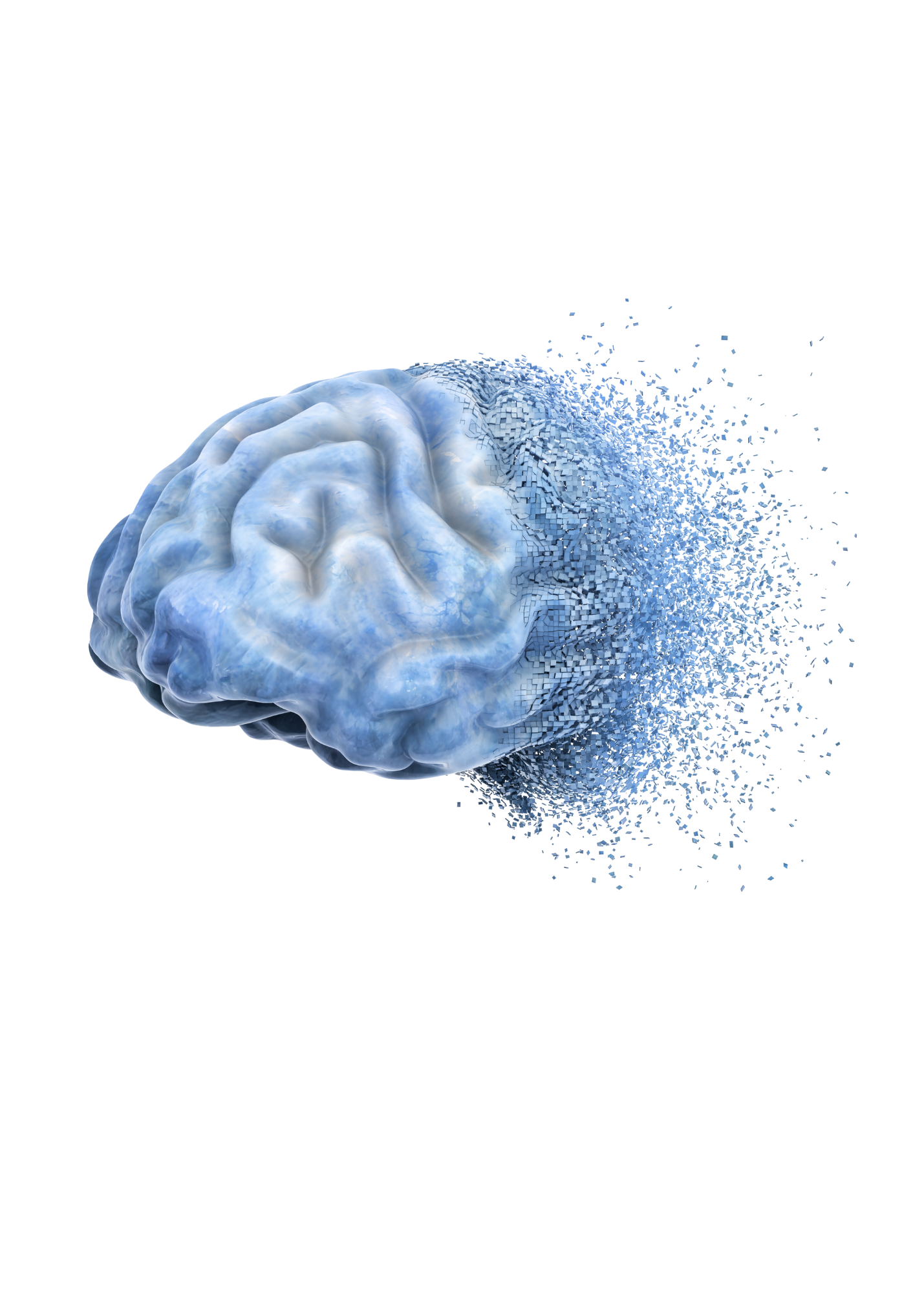
A concussion is a type of traumatic brain injury that can occur after a blow or jolt to the head, or a forceful movement that causes the head and brain to move rapidly. Symptoms can affect how you feel, think, move and function, and they may appear immediately or develop over the following hours or days.
If you think you may have a concussion, it is important to seek appropriate medical assessment. Osteopathy may form part of a broader approach to recovery once you have been appropriately assessed.
WHAT WE TREAT
What are you experiencing, and what could be contributing?
A concussion can affect how you think, move, feel and function, and symptoms can vary throughout recovery.
Understanding how your body is responding can help guide a gradual and individual approach to getting back to everyday activities.
-
Headaches.
Dizziness or balance problems.
Nausea or vomiting.
Sensitivity to light or noise.
Blurred or altered vision.
Feeling tired or having low energy.
Difficulty concentrating.
Feeling slowed down, foggy or confused.
Memory problems.
Sleep changes.
Irritability or increased emotional sensitiviy.
Neck Pain or stiffnes.
-
The original impact or injury.
Neck pain or stiffness following the injury.
Chnges in balance or coordination.
Increased sensitivty to movement.
Changes in physical activitiy levels.
Poor sleep or disrupted sleep.
Difficulty managing physical or mental workload.
Returning to normal activities too quickly.
Previous concussiones or head injuries.
Other injuries occurring at the same time.
A plan that Suits You
Recovery from concussion is different for everyone, so your plan should reflect your symptoms, your stage of recovery and your everyday demands.
Some people may benefit from support with neck stiffness, muscular tension or movement-related symptoms, while others may need a greater focus on gradually rebuilding their tolerance to physical activity and everyday tasks.
Your treatment and recovery plan will be guided by your symptoms, assessment, goals and how you respond as activity increases.
HOW WE CAN HELP
-
Our role is to support the musculoskeletal aspects of your recovery rather than to treat the brain injury itself.
-
Once you have been appropriately assessed, an osteopathic assessment may consider:
Neck movement and mobility
Muscle tension around the neck and shoulders
Balance and movement
Postural and movement changes following the injury
How symptoms respond to physical activity
Other musculoskeletal symptoms associated with the injury
-
Depending on your symptoms and stage of recovery, treatment may include gentle hands-on techniques and movement-based approaches to support comfortable movement and function.
We work within your wider healthcare plan and can recommend that you return to your GP, concussion service or another healthcare professional if your symptoms require further assessment.
-
Osteopathy may be appropriate as part of a broader recovery plan, particularly when musculoskeletal symptoms such as neck pain, stiffness or muscular tension are present. It does not replace medical assessment or treatment of the brain injury itself.
-
Yes. Anyone who may have sustained a concussion should be assessed by an appropriate healthcare professional and given guidance on returning to normal activities.
-
Recovery varies from person to person. Many people improve within a couple of weeks, but some people experience symptoms for longer. If symptoms are not improving after around 2–3 weeks, or become worse when returning to normal activities, speak with your healthcare provider.
-
Neck pain or stiffness can occur alongside concussion, particularly following an impact or sudden movement of the head. Your healthcare provider can help determine whether your neck symptoms are part of the injury or whether another condition needs to be considered.
-
Light physical activity can generally be introduced gradually after the initial period of rest, provided it does not significantly worsen symptoms. Your healthcare provider can advise you on an appropriate progression based on your symptoms and circumstances.
-
Returning to sport should be gradual and guided by an appropriate healthcare professional. Athletes should progress through a staged return-to-sport process and should not progress if symptoms return or worsen.
-
Returning to work may need to be gradual, particularly if your work involves driving, physical exertion, heights, machinery, prolonged screen use or significant concentration. Your healthcare provider can help determine what adjustments may be appropriate.
Concussion:
Your Questions Answered
Concussion: FAQ
Ready To Get Started?
Take the next step towards moving more comfortably.