
Hip & Knee Pain| Osteopathy in Christchurch
Hip and Knee pain can affect much more than the area that hurts. It can make walking, standing, climbing stairs, exercising, getting up from a chair or simply moving through your day more difficult.
Pain can develop suddenly following an injury, or gradually through changes in activity, repetitive loading, joint changes or other factors. Hip and knee symptoms can also sometimes be felt in surrounding areas, including the thigh, buttocks or lower leg.
At MK Osteopathy, we look at your symptoms alongside how you move, how your body responds to load and how different areas work together to help understand what may be contributing to your discomfort.
WHAT WE TREAT
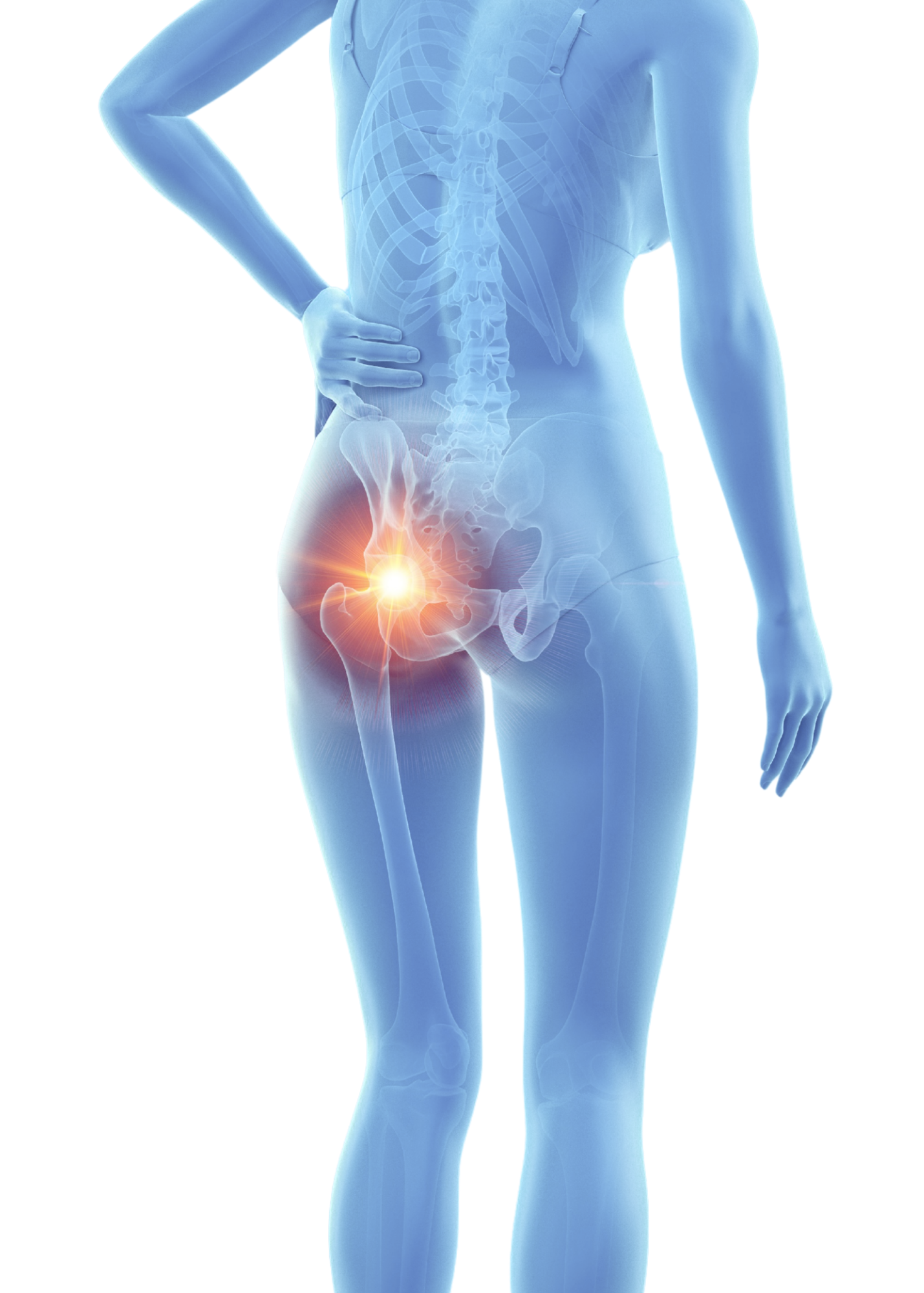
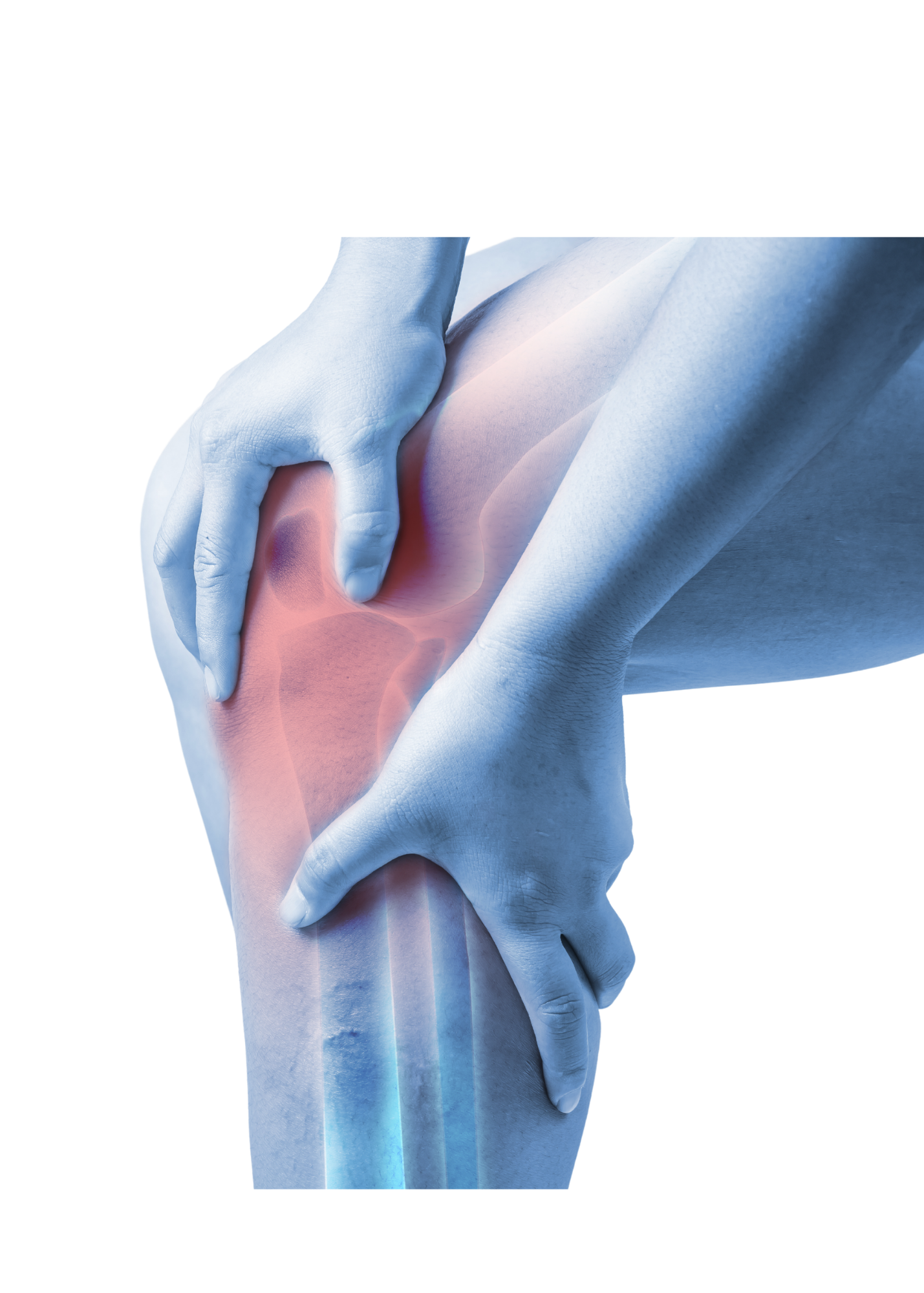
What are you experiencing, and what could be contributing?
Hip and knee pain can affect the way you walk, stand, exercise and manage everyday activities.
Because the hip, knee and surrounding areas work together, understanding how you move and load your body can be an important part of understanding your symptoms.
-
Stiffness or reduced range of movement.
Pain when walking or standing.
Pain when reaching, lifting or carrying.
Swelling or tenderness around the knee.
Pain or aching around the hip groin, buttock, thigh or knee.
A feeling of weakness or reduced stability.
Limping or changes in the way you walk.
Pain that changes depending on activity or load.
Difficulty putting on clothing or preforming everyday task.
-
Previous injuries or trauma.
Repetitive movements or overuse.
Changes in activity or training load.
Joint stiffness or reduced mobility.
Muscle weakness or altered muscle coordination.
Osteoarthritis and other age-relates joint changes.
Ligament or other soft-tissue injuries.
Changes in walking, posture or movement patterns.
The way the hip, knee, ankle and foot work together.
A plan that Suits You
There is no single approach to hip or knee pain.
Some people may benefit from hands-on treatment to help improve comfort and movement, while others may need support gradually rebuilding strength, mobility or confidence with movement.
Your treatment plan will be based on your assessment, your goals, your daily activities and how your body responds over time.
HOW WE CAN HELP
-
We take the time to understand your symptoms, your goals and how your hip or knee is affecting the way you move.
-
Your osteopath may assess your range of movement, joint mobility, muscle function, strength and coordination, as well as how your hip, knee, ankle and foot work together. We may also consider your walking pattern and how your body responds to different types of movement and load.
-
Where appropriate, we'll help you develop the strength, capacity and strategies needed for the activities that matter to you.
Rather than focusing only on the area that hurts, we consider how different parts of your body may be contributing to the way you move and feel.
Hip & Knee Pain: FAQ
Hip & Knee Pain:
Your Questions Answered
-
Hip pain can have many possible causes, including injuries, repetitive loading, muscle or tendon irritation, joint stiffness and conditions such as osteoarthritis. Pain around the hip can also sometimes be influenced by the way other areas of the body move and work together.
-
Knee pain can develop following an injury or gradually through changes in activity and loading. Common contributing factors include overuse, sprains and strains, ligament injuries, muscle weakness, altered movement patterns and joint changes such as osteoarthritis.
-
Sometimes. The hip and knee are closely connected through the muscles and movement patterns of the lower limb. Changes in how you move or load one area may influence the way other areas are used. However, knee pain can also have its own underlying cause, so an individual assessment is important.
-
Walking and stairs place different demands on the muscles and joints around the hip and knee. Pain during these activities can be associated with a range of factors, including joint irritation, muscle weakness, changes in movement or increased loading. An assessment can help identify what may be contributing to your symptoms.
-
Osteopathy may be appropriate for some people with hip or knee pain. Your osteopath will assess your symptoms and movement and use treatment approaches that are appropriate for your individual situation. This may include hands-on treatment and movement-based rehabilitation.
-
This varies from person to person. Recovery can depend on what is contributing to your symptoms, how long you have had them, your activity levels and how your body responds to treatment and changes in movement or loading.
-
If your pain follows a significant injury, you cannot bear weight, there is significant swelling or deformity, or your symptoms are severe or worsening, medical assessment may be appropriate. Your osteopath can also advise you if they feel further assessment is needed.

Ready To Get Started?
Take the next step towards moving more comfortably.