
Desk Workers - Pain & Discomfort| Osteopathy in Christchurch
Spending much of your day sitting at a desk or working at a computer can contribute to aches, stiffness and discomfort. Whether you work in an office or from home, long periods in one position, repetitive tasks and limited opportunities to move can affect how your body feels throughout the day.
You might notice a stiff neck after hours at your computer, aching shoulders during a busy working week, lower back discomfort after prolonged sitting or wrist and hand symptoms from repetitive tasks.
These symptoms can develop gradually, and there is not always one single cause. Your workload, daily routine, workstation setup, stress and movement habits may all play a part.
At MK Osteopathy, we look at your symptoms alongside how you move, your daily activities and the demands of your working environment to help understand what may be contributing to your discomfort.
WHAT WE TREAT
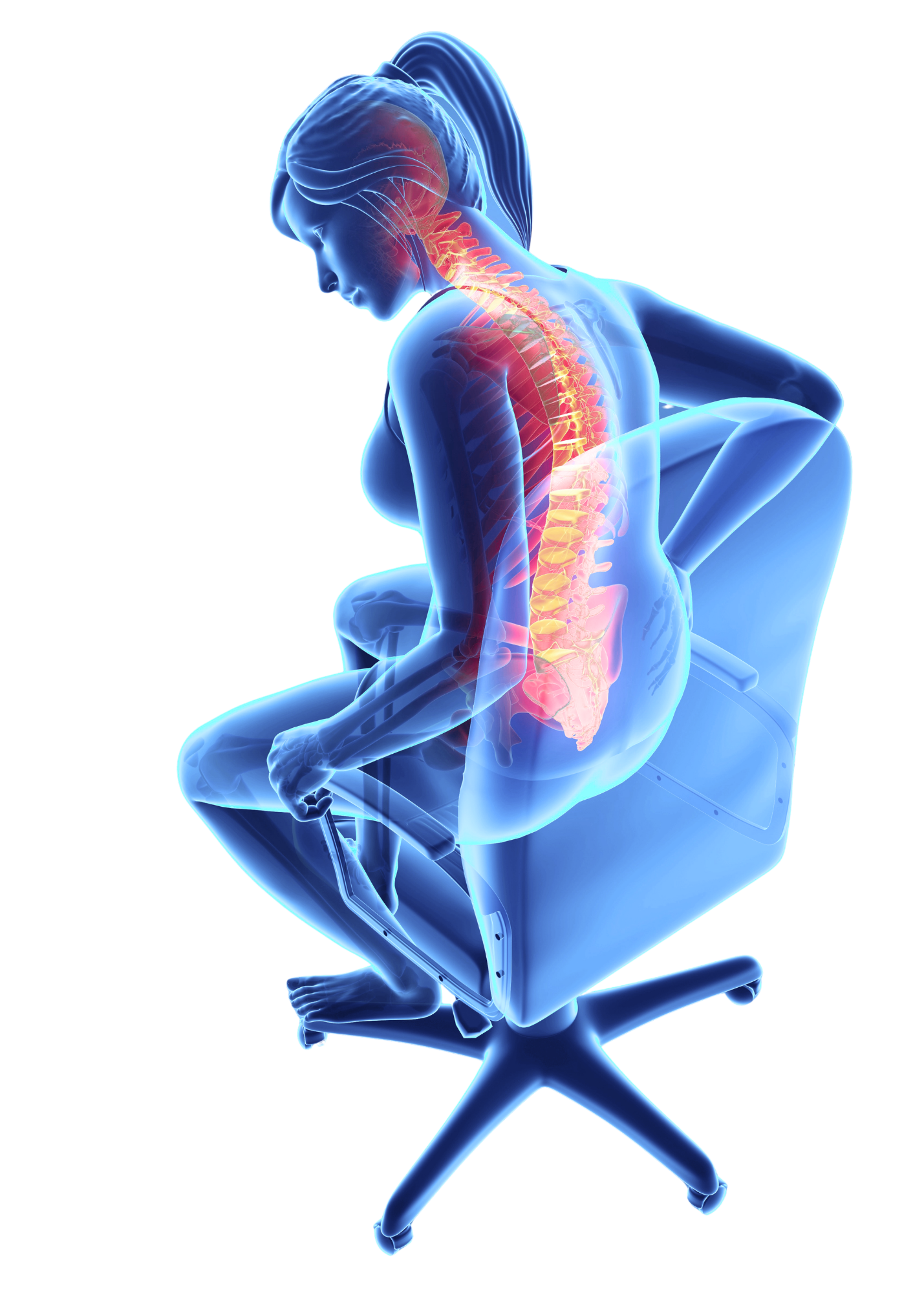
What are you experiencing, and what could be contributing?
-
Neck pain or stiffness.
Shoulder tension or discomfort.
Upper and mid-back aches.
Lower back pain after prolonged sitting.
Headaches associated with neck discomfort or sustained work postures.
Wrist, hand or forearm discomfort.
Muscle tightness or fatigue.
Stiffness when standing up after sitting.
Discomfort that builds throughout the day.
Symptoms that improve or change when you move or change position.
-
Prolonged sitting or sustained postures.
Limited movement or few breaks during the working day.
Repetitive keyboard, mouse or other computer tasks.
Workstation setup that does not suit your needs.
Increased workload or long working hours.
Muscle fatigue or reduced strength and endurance.
Stress and mental demands associated with work.
Changes in activity levels or daily routines.
Previous injuries or recurring musculoskeletal problems.
An injury can interrupt your routine and make it harder to do the things that matter to you.
Understanding your symptoms and choosing appropriate care can help you work towards your next steps.
Workstation & Movement Assessment
Your workstation and daily habits may influence how comfortable you feel at work. Small adjustments can sometimes make tasks easier and help you vary the demands placed on your body.
Where appropriate, we can discuss aspects of your working environment and routine, including:
Chair and desk setup: Finding a comfortable working position that suits your body and tasks.
Screen position: Adjusting the height and distance of your screen to suit your needs.
Keyboard and mouse: Considering their position and how you use them throughout the day.
Movement breaks: Finding practical opportunities to stand, walk or change position.
Work habits: Looking at repetitive tasks, workload and how long you spend doing the same activity.
The goal is not to make you sit perfectly all day, but to find practical ways to make your working environment more comfortable and give your body opportunities to move.
HOW WE CAN HELP
-
We listen to your concerns and learn how your symptoms affect your working day, daily activities and quality of life. We explore your work habits, routine and goals to understand what matters most to you.
-
We assess your movement, mobility and muscle function to help identify factors that may be contributing to your discomfort. Where relevant, we also consider your workstation setup and working habits.
-
Your treatment is tailored to your needs and may include hands-on osteopathic techniques, myofascial approaches and movement-based rehabilitation to help improve comfort and movement.
-
We help you take an active role in your recovery with practical strategies you can use every day. From simple exercises and movement breaks to workstation adjustments and changes to your daily habits, we’ll help you find ways to manage your symptoms and feel more comfortable throughout your working day.
Supporting Your Recovery
We help you take an active role in your recovery with practical strategies you can use every day. From simple exercises and movement breaks to workstation adjustments and hanges to your daily habits, we’ll help you find the ways to manage your symptoms and feel more comfortable throughout your working day.




Ongoing Guidance
You’ll have the support and advice you need to stay on track and feel more comfortable in your daily life.
Workstation Adjustments
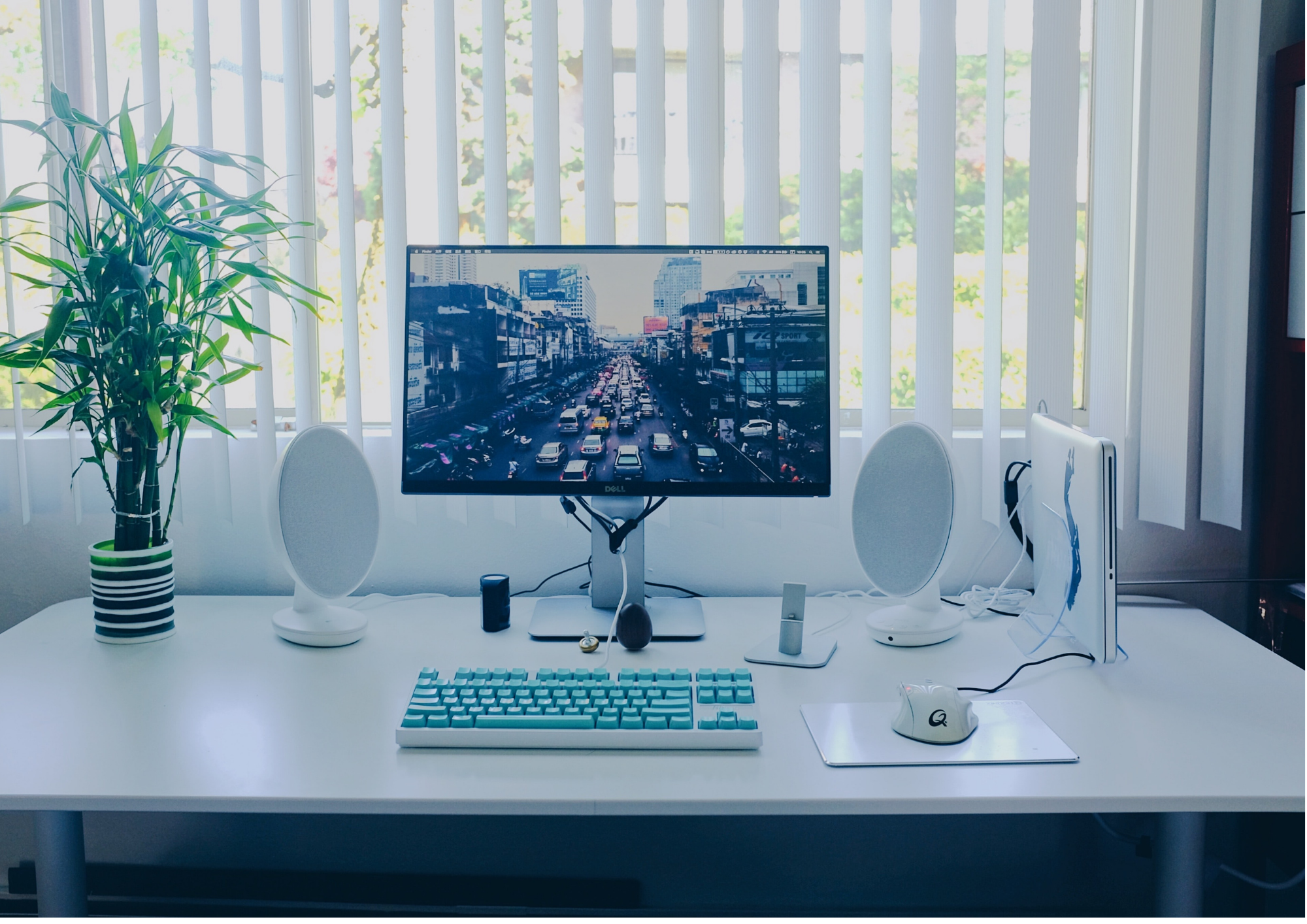
We can look at your chair, desk, screen and keyboard setup to find simple changes that make a difference.
Movement breaks
Small Regular breaks can help tension, improve circulation and keep your body throughout the day.
Healthy Habits
We’ll discuss practical strategies for managing workload, stress and daily routines to support your long-term wellbeing.
Simple Exercises
Targeted mobility and strengthening exercises can help improve comfort, movement and resilience.
Desk Workers - Pain & Discomfort: FAQ
Desk Workers - Pain & Discomfort:
Your Questions Answered
-
Spending long periods in one position can contribute to discomfort for some people. Workload, repetitive tasks, previous injuries, stress and limited movement may also play a role. The relationship between sitting and pain varies from person to person.
-
Not necessarily. There is no single perfect posture, and sitting with a particular posture does not automatically mean you will develop pain. The duration of a task, how often you change position, your physical capacity and other individual factors may all influence your symptoms.
-
Osteopathy may be appropriate for some people experiencing musculoskeletal pain associated with desk-based work. Your osteopath will assess your symptoms and movement to determine which approaches may be suitable. Treatment may include hands-on techniques and movement-based rehabilitation.
-
There is no single break schedule that works for everyone. Where your work allows, try to change position and move regularly rather than remaining in one position for extended periods. Even brief opportunities to stand, walk or perform a different task can help vary the demands on your body.
-
It may be one contributing factor. Screen position, chair and desk height, keyboard and mouse placement, and the amount of time spent on repetitive tasks can all be worth reviewing. Your workstation does not need to be perfect; it should support comfortable and practical working habits.
-
Symptoms may build as your body is exposed to sustained positions, repetitive tasks or increasing physical and mental demands. Your activity levels, workload and previous symptoms may also play a role. An assessment can help explore the factors relevant to you.
-
Seek urgent medical assessment if you develop sudden or progressive weakness, significant loss of sensation or other concerning neurological symptoms. New bladder or bowel control problems, particularly alongside back pain, numbness around the groin or saddle area, or leg weakness, require emergency assessment. Persistent, worsening or unexplained symptoms should also be assessed by an appropriate healthcare professional.
-
Yes, in some cases. If you have an accepted ACC claim and are experiencing pain or an injury that affects you at work, ACC may be able to arrange a workplace or workstation assessment to identify changes that could help you work more comfortably and safely.
An assessment may look at your desk, chair, screen position, keyboard, mouse and working habits, with recommendations for adjustments or equipment where appropriate.

Ready To Get Started?
Take the next step towards moving more comfortably.