
Pregnancy & Postpartum| Osteopathy in Christchurch
Supporting your body through pregnancy and beyond.
Pregnancy and the months after birth bring significant changes to your body. As your body adapts during pregnancy and recovers after birth, you may notice changes in your posture, movement, strength and comfort.
You might experience back pain, pelvic discomfort, hip stiffness or tension around your neck and shoulders. After birth, feeding, carrying and caring for your baby can place new demands on your body, especially when you're tired or spending long periods in the same position.
At MK Osteopathy, we take the time to understand what you're experiencing and how it's affecting your everyday life. Our approach is tailored to your needs, your stage of pregnancy or postpartum recovery, and what you'd like to get back to doing comfortably.
WHAT WE TREAT
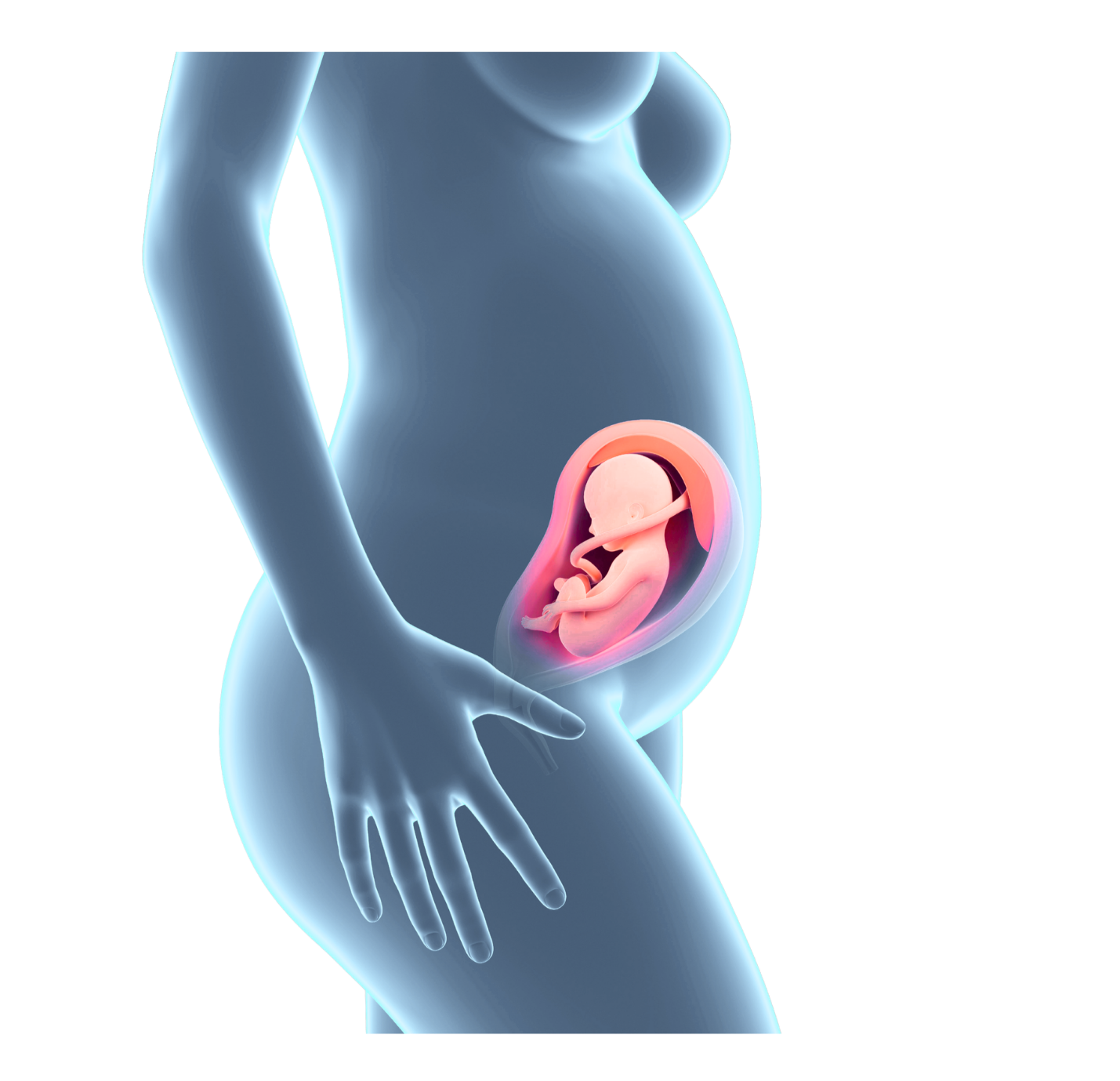
What are you experiencing, and what could be contributing?
Every pregnancy and recovery is different. You may notice discomfort during pregnancy, after birth, or at both stages.
These symptoms can have different causes. An assessment can help us understand your concerns and whether osteopathic care may be appropriate.
-
Lower back pain.
Pelvic or hip discomfort.
Neck and shoulder tension.
Upper back discomfort from feeding or carrying your baby.
Tailbone or buttock pain.
Stiffness when changing positions.
Discomfort when walking, standing or getting out of bed.
Muscle aches and tension.
Difficulty finding comfortable positions for resting.
Discomfort when lifting or carrying your baby.
Returning to everyday activities after birth.
-
Physical changes - As your body adapts during pregnancy and after delivery, the demands placed on your muscles and joints can change.
Posture and movement - You may adjust the way you sit, stand, walk and move as your body changes.
Muscle and joint demands - Pregnancy, labour, birth and caring for a newborn can place different demands on your body.
Feeding and carrying - Breastfeeding or bottle-feeding, lifting your baby and carrying a car seat can involve repetitive movements and sustained positions.
Sleep and fatigue - Broken sleep and the physical demands of caring for a newborn can make everyday activities more challenging.
Previous injuries or symptoms - Existing back, hip or pelvic problems may continue or become more noticeable during pregnancy or postpartum.
Supporting you through pregnancy and postpartum
Your needs may change as your pregnancy progresses and as you adjust to life with a newborn. Depending on your circumstances, we may help you explore ways to:
Move more comfortably during pregnancy.
Manage back, hip or pelvic discomfort.
Find more comfortable positions for resting and feeding.
Manage the physical demands of lifting and carrying your baby.
Adapt everyday activities to your changing needs.
Gradually return to your usual activities when appropriate.
Understand when additional support may be helpful.
Recovery after birth is different for everyone. There is no single timeline, and your care should reflect your symptoms, recovery and personal goals.
HOW WE CAN HELP
-
We'll talk about your symptoms, pregnancy or birth history, daily activities and what you'd like help with.
-
We'll assess the relevant areas of your body and how you move, taking your comfort and medical history into account.
-
Where appropriate, treatment may include hands-on osteopathic techniques adapted to your needs. We'll explain the options and gain your consent before proceeding.
-
We'll discuss practical ways to manage everyday activities, find more comfortable positions and gradually return to activities that matter to you, where appropriate.
If your symptoms require medical assessment or specialist support, we'll discuss the appropriate next steps.
Pregnancy & Postpartum: FAQ
Pregnancy & Postpartum:
Your Questions Answered
-
Osteopathic care may be appropriate for some musculoskeletal symptoms during pregnancy. Suitability depends on your symptoms, health history and pregnancy circumstances. We'll discuss these with you and adapt the assessment and treatment accordingly.
-
There isn't one timeframe that suits everyone. Your recovery depends on factors such as your birth experience, symptoms and overall health. If you have concerns following birth, check with your midwife, GP or maternity care team about whether you need medical assessment before hands-on treatment.
-
Osteopathic care may help some people manage musculoskeletal back or pelvic discomfort. However, pelvic pain after birth can have several causes, and some people benefit from assessment by a pelvic health physiotherapist or another appropriate healthcare professional.
-
Please let us know when booking. We can discuss the practical arrangements and help you work out what will make your appointment easier.
-
Feeding and carrying your baby can involve sustained or repetitive positions that may contribute to discomfort. We can assess your musculoskeletal symptoms and discuss appropriate treatment and practical adjustments.
-
Treatment is adapted to your symptoms, comfort and circumstances. We'll explain the options and obtain your consent before proceeding.
-
These concerns may require specific assessment and management. A pelvic health physiotherapist or your maternity care team can provide targeted advice. We can discuss your musculoskeletal symptoms and whether osteopathic care may be appropriate alongside other support.
-
Seek medical advice for new, severe or worsening symptoms during pregnancy or after birth. Urgent assessment is important for symptoms such as heavy bleeding, severe abdominal pain, chest pain, difficulty breathing, severe headache or visual changes, fever, or one-sided calf pain or swelling. Contact your maternity care team promptly if you have concerns about your pregnancy or recovery.

Ready To Get Started?
Take the next step towards moving more comfortably.