
Recovery From Injury| Osteopathy in Christchurch
Supporting your recovery and helping you move forward
An injury can affect more than the area that hurts. It can make everyday activities, work, exercise and the things you enjoy more difficult.
Whether you've experienced a sudden injury, are recovering from a strain or sprain, or are dealing with discomfort that hasn't fully settled, your recovery may involve more than waiting for the pain to disappear.
At MK Osteopathy, we take the time to understand your injury, how it is affecting your movement and what you'd like to get back to doing. We tailor our approach to your symptoms, circumstances and recovery goals. Supporting your recovery and helping you move forward.
WHAT WE TREAT
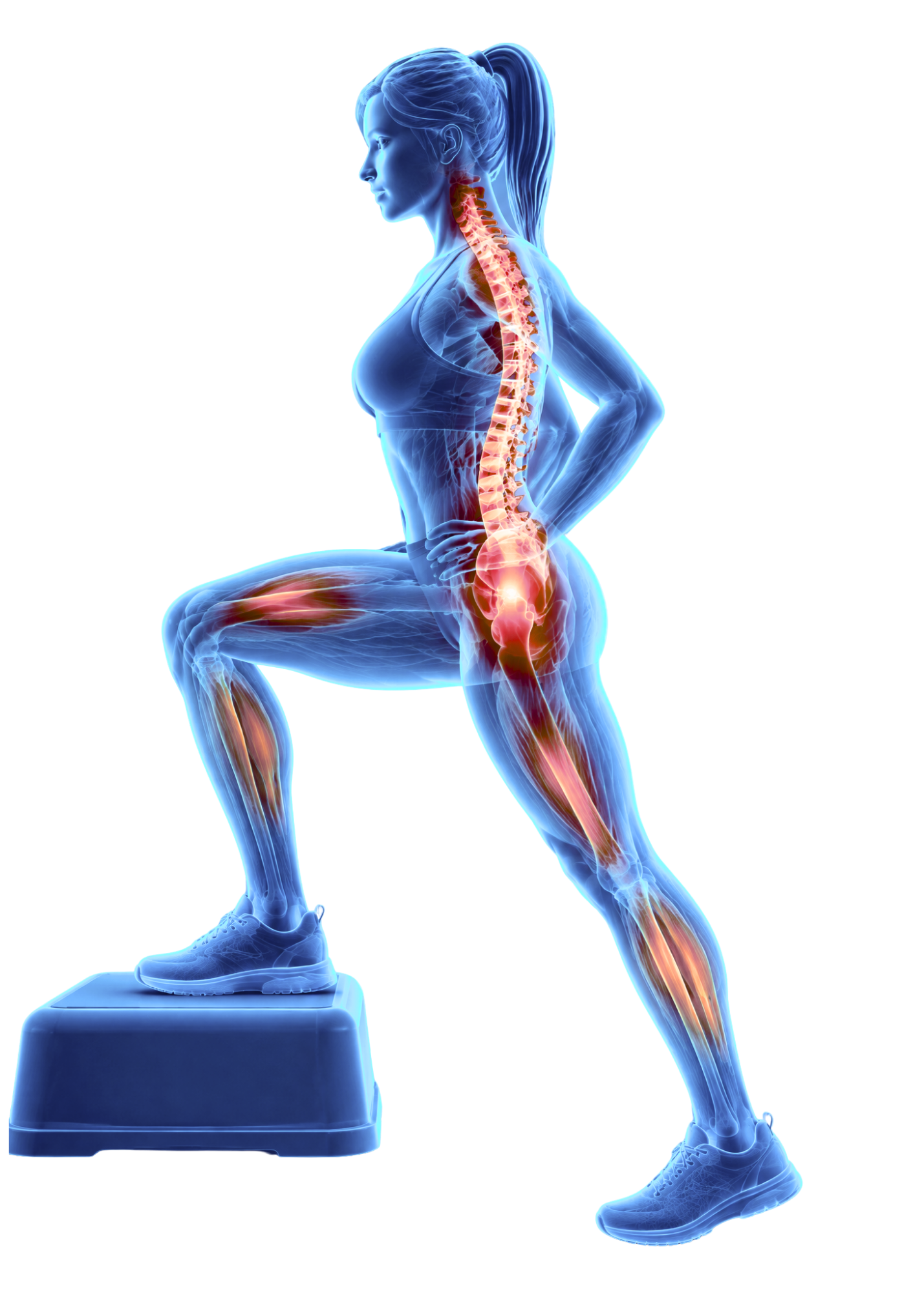
What are you experiencing, and what could be contributing?
An injury can interrupt your routine and make it harder to do the things that matter to you.
Understanding your symptoms and choosing appropriate care can help you work towards your next steps.
-
Back or neck pain following an injury.
Muscle strains or tightness.
Joint pain or stiffness.
Shoulder, elbow or wrist discomfort.
Hip, knee, ankle or foot pain.
Discomfort when walking, bending, lifting or reaching.
Restricted movement after an injury.
Ongoing symptoms that haven't fully settled.
Difficulty returning to work, exercise or sport.
Changes in how you move to avoid discomfort.
-
The type and severity of injury - Different injuries affect muscles, joints and other tissues in different ways. Understanding the nature of your injury is important when deciding on appropriate care.
Previous injuries or symptoms - Past injuries or ongoing discomfort may be relevant to your current symptoms and movement.
Movement and mobility - Pain or stiffness can make certain movements more difficult and may lead you to adapt how you carry out everyday tasks.
Work and daily activities - Your job, family responsibilities and usual routines can place different demands on an injured area.
Physical activity - Returning to exercise or sport too quickly, or changing activity levels significantly, may affect how well you tolerate those demands.
Rest and recovery - Sleep, general health and time to recover can influence your ability to manage everyday activities while healing.
Helping you keep doing the things you enjoy
Your recovery plan will depend on the injury and what matters most to you. This may include working towards goals such as:
Moving more comfortably during everyday activities.
Managing pain and stiffness.
Regaining comfortable movement.
Returning to work and usual routines.
Gradually getting back to exercise or sport.
Managing symptoms that have persisted after an injury.
Understanding when additional rehabilitation or assessment may be helpful.
Recovery isn't always a straight line.
We'll consider how you're progressing and discuss appropriate next steps based on your symptoms and goals.
HOW WE CAN HELP
-
We'll discuss how the injury happened, your symptoms, relevant medical history and how the problem is affecting your daily life.
-
We'll assess the relevant areas of your body and your movement, taking your symptoms and injury history into account. If further medical investigation is needed, we'll discuss the appropriate next steps.
-
Where appropriate, treatment may include hands-on osteopathic techniques to help manage musculoskeletal pain and stiffness. Treatment will be adapted to your injury and stage of recovery.
-
We can discuss practical ways to manage everyday activities, maintain movement and work towards your personal goals.
If your symptoms require further medical investigation or a different type of care, we'll discuss the appropriate next steps with you.
Recovery From Injury: FAQ
Recovery From Injury:
Your Questions Answered
-
Osteopaths can assess many musculoskeletal problems following an injury. Whether osteopathic care is appropriate depends on the type and severity of the injury. Some injuries require medical assessment or other treatment before hands-on care is suitable.
-
This depends on the injury and its severity. A minor musculoskeletal injury may be suitable for assessment, while a suspected fracture, significant swelling or severe pain may require medical assessment first. If you're unsure, contact your GP or an appropriate healthcare service.
-
Yes. You can seek an assessment for ongoing pain, stiffness or movement difficulties after an injury. We'll discuss your history and consider whether osteopathic care may be appropriate or whether further investigation is needed.
-
This depends on the injury. Some injuries need a period of protection or modified activity, while others benefit from a gradual return to movement. Avoid pushing through significant or worsening pain, and seek appropriate assessment before resuming activity after a serious injury.
-
Osteopathic care may form part of your recovery, depending on your injury and needs. Returning to demanding activity may also require progressive rehabilitation, strength and conditioning, or guidance from a physiotherapist or another healthcare professional.
-
MK Osteopathy is ACC registered and can lodge an ACC claim for an eligible injury. You don't need a GP referral to make an ACC claim with us. Cover and any applicable costs depend on your circumstances and ACC eligibility.
-
Seek urgent medical assessment for a suspected fracture, significant deformity, inability to bear weight after an injury, severe or rapidly worsening pain, new significant weakness or numbness, or other concerning symptoms. Head injuries, particularly those involving loss of consciousness, confusion, repeated vomiting or worsening headache, also need prompt medical assessment. Call 111 for a medical emergency.
Ready To Get Started?
Take the next step towards moving more comfortably.