
Foot & Ankle Pain| Osteopathy in Christchurch
Foot and Ankle pain can affect people of all ages and activity levels. Whether it develops after an injury, through repetitive loading or gradually over time, pain in your feet or ankles can make walking, standing, exercising and everyday activities more difficult.
Your feet and ankles carry and respond to the loads placed on your body every day. When pain, stiffness or weakness develops, you may also change the way you walk or move without realising it.
At MK Osteopathy, we look at your symptoms alongside your movement, gait, mobility and how your foot and ankle work with the rest of your body to help understand what may be contributing to your discomfort.
WHAT WE TREAT
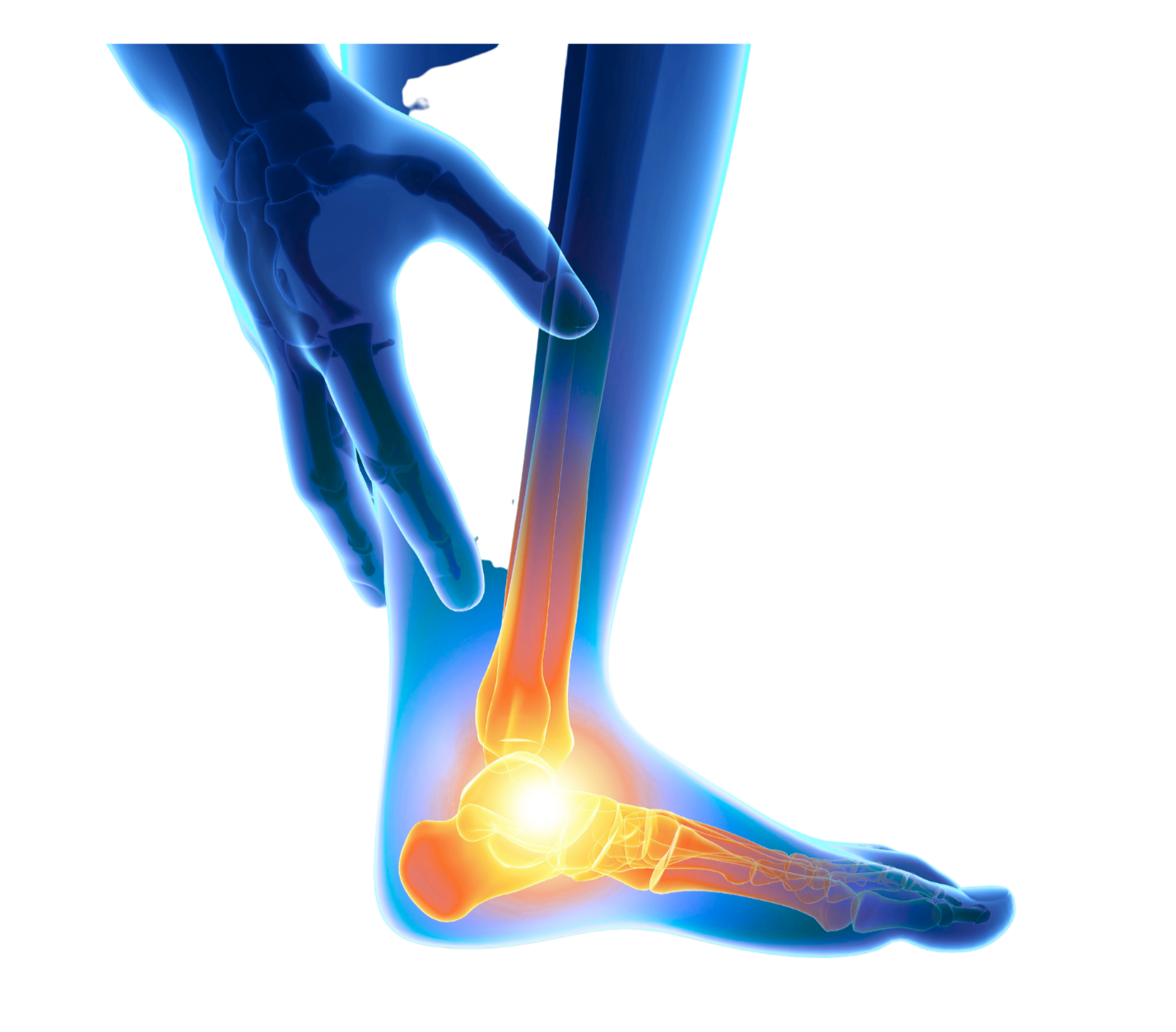
What are you experiencing, and what could be contributing?
Your feet and ankles are constantly adapting to the demands placed on them.
Pain, stiffness or changes in movement can affect how you walk, balance and load the rest of your body.
-
Pain or aching in the foot, ankle or heel.
Swelling or tenderness.
Stiffness or reduced range of movement.
Swelling or tenderness around the knee.
Pain or aching around the hip, groin, buttock, thigh or knee.
A feeling of weakness or reduced stability.
Limping or changes in the way you walk.
Changes in balance.
Pain when pushing off through the foot.
Changes in the way you walk or put weight through your foot.
-
Previous injuries or ankle sprains.
Repetitive movements or overuse.
Changes in activity or training load.
Muscle weakness or altered coordination.
Repetitive loading of muscles, tendons or other tissues.
Changes in walking or gait patterns.
Footwear that does not suit your activity or individual needs.
Joint stiffness or reduce mobility.
Reduced balance or stability
The way the foot, ankle, knee and hip work together.
A plan that Suits You
There is no single approach to foot and ankle pain.
The way your foot interacts with the ground can influence how forces are transferred through the rest of your body.
Some people may benefit from hands-on treatment to help improve comfort and movement, while others may need support gradually rebuilding strength, balance, mobility or confidence with movement.
Your treatment plan will be based on your assessment, your goals, your daily activities and how your body responds over time.
HOW WE CAN HELP
-
We take the time to understand your symptoms, your goals and how your hip or knee is affecting the way you move.
-
Your osteopath may assess your foot and ankle mobility, muscle function, strength, balance and coordination. We may also look at your walking pattern and how your foot and ankle interact with your knee, hip and the rest of your body.
This can help us understand how your foot, ankle and lower limb are working together and whether changes in movement may be contributing to your symptoms.
-
At MK Osteopathy, we can use movement assessment approaches to help build a more complete picture of how you move and where you may be compensating or adapting.
Depending on your individual needs, treatment may include hands-on osteopathic techniques, myofascial approaches and movement-based rehabilitation.
The aim is not simply to focus on the area that hurts, but to understand how your symptoms relate to the way your body moves and responds to load.
Foot & Ankle Pain: FAQ
Foot & Ankle Pain:
Your Questions Answered
-
Foot and ankle pain can have many possible causes, including injuries, repetitive loading, muscle or tendon irritation, joint stiffness and changes in movement. Previous ankle sprains, changes in activity and altered walking patterns can also contribute to symptoms.
-
An ankle sprain can affect the ligaments and surrounding tissues and may also influence strength, mobility, balance and confidence when putting weight through the foot. If symptoms continue after the initial injury, an assessment can help determine what may still be contributing to your discomfort.
-
Pain around the heel or underneath the foot can have several possible causes. These may include plantar heel pain, changes in load, irritation of surrounding tissues or altered movement patterns. An assessment can help determine what may be contributing to your symptoms.
-
Your walking pattern can influence how load is distributed through your feet and lower limbs. Pain or stiffness can also change the way you walk. Looking at movement and gait can therefore be useful when trying to understand persistent foot or ankle symptoms.
-
Osteopathy may be appropriate for some people with hip or knee pain. Your osteopath will assess your symptoms and movement and use treatment approaches that are appropriate for your individual situation. This may include hands-on treatment and movement-based rehabilitation.
-
Osteopathy may be appropriate for some people with foot and ankle pain. Your osteopath will assess your symptoms, movement and function before deciding which treatment approaches may be appropriate. This may include hands-on treatment and movement-based rehabilitation.
-
Recovery varies depending on the cause of your symptoms, how long you have had them, your activity levels and how your body responds to treatment and changes in movement or loading.
-
If you are unable to put weight through your foot, have significant swelling or deformity, have severe pain following an injury, or are concerned that you may have a fracture, medical assessment is appropriate. Your osteopath can also advise you if they feel further assessment or imaging may be needed.

Ready To Get Started?
Take the next step towards moving more comfortably.