
Postural Correction in Christchurch
Improving posture, movement and body awareness.
Your posture is influenced by much more than how you sit or stand. Your movement habits, work environment, physical activity, muscle function and mobility can all affect how you hold and move your body.
At MK Osteopathy, our Postural Correction programme combines hands-on treatment, posture training and corrective exercises to help you develop greater awareness of your posture and improve the way you move during everyday activities.

What is Postural Correction?
Postural Correction is a structured approach that explores how you hold your body, how you move and what may be contributing to your current postural habits.
Posture naturally changes depending on what you are doing. There is no single perfect posture that everyone needs to maintain. However, spending long periods in the same position, limited movement variety or restrictions in mobility may contribute to discomfort or make certain activities more difficult.
Our approach combines myofascial release, posture training and integrated corrective exercises to help you explore different movement options, improve body awareness and develop habits that support your everyday activities.
Rather than simply telling you to sit or stand up straight, we look at the factors influencing your posture and help you work towards changes that are practical and sustainable.
What is good posture?
Good posture is not about holding your body in one perfect position all day. It involves having the movement options, coordination and muscular support needed to maintain different positions and carry out everyday activities comfortably.
We consider how your body is positioned, how different areas work together and how easily you can adjust your posture as your activities change. Developing greater movement variety and body awareness can help you find more comfortable ways to sit, stand and move.
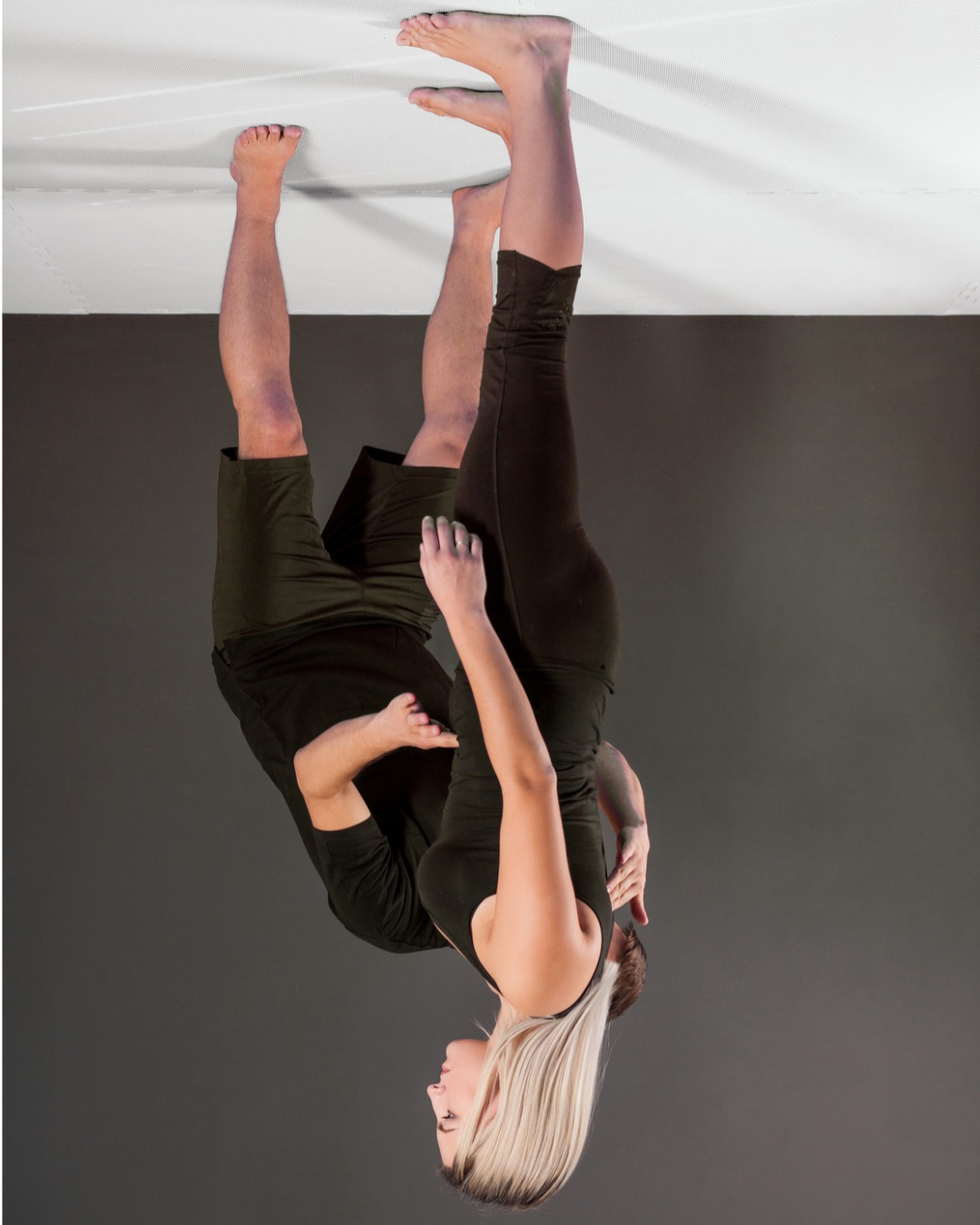
What can influence your posture?
Your posture is shaped by a combination of physical, environmental and lifestyle factors. During your assessment, we consider things such as:
Muscle tension and mobility – Areas of tension or restricted movement that may affect how comfortably you hold different positions.
Movement habits – The positions and movement patterns you use repeatedly throughout the day.
Work and daily activities – Prolonged sitting, computer use, physical work and repetitive tasks that influence how you move.
Strength and movement control – How your body coordinates movement and supports different positions and activities.
Previous injuries – Changes in movement or mobility that may have developed following an injury.
Physical activity and exercise – How your current activity levels and exercise habits influence your movement options.
Body awareness – How easily you recognise and adjust your posture and movement during everyday activities.
Understanding these factors helps us tailor your programme to your needs rather than relying on generic posture advice.
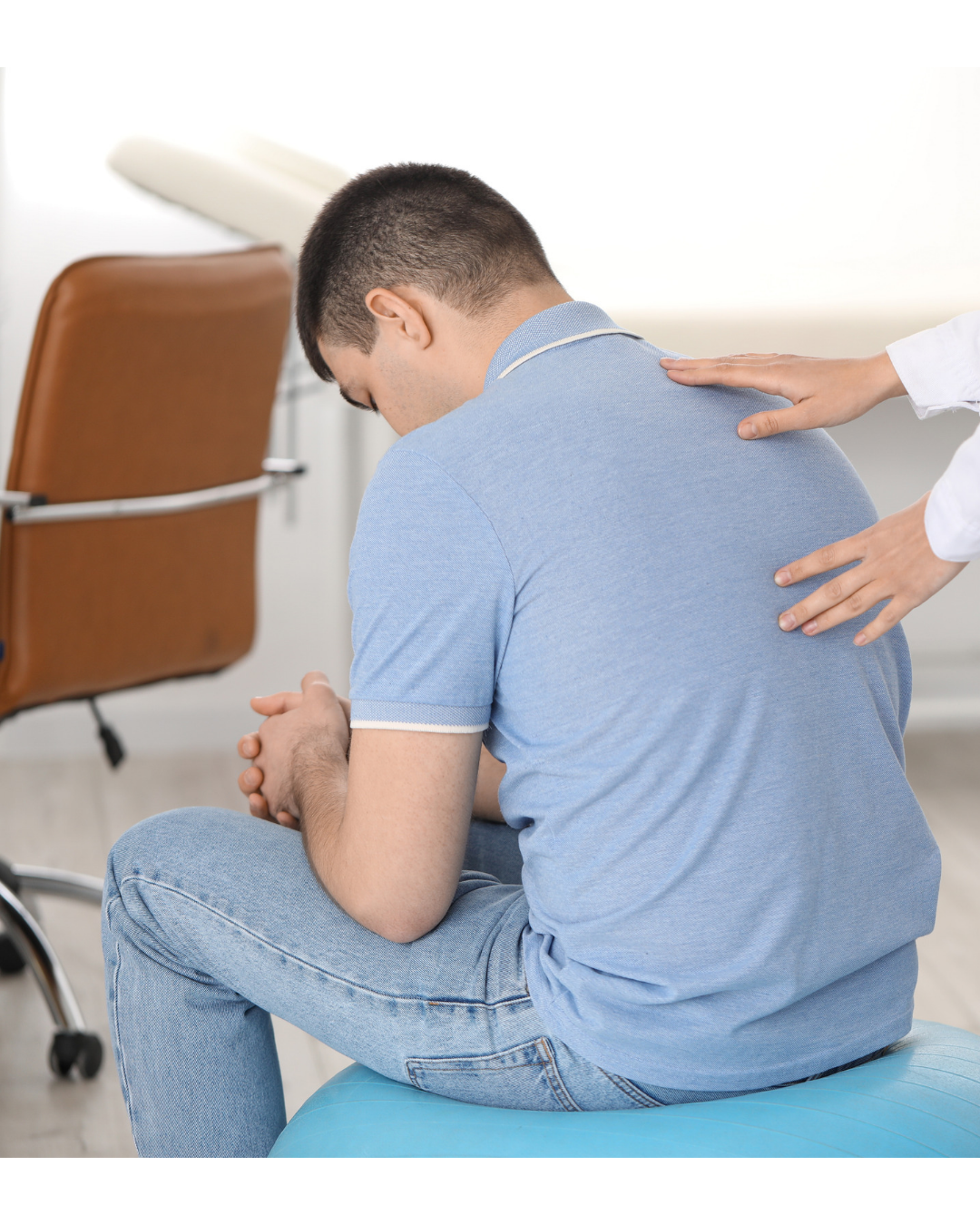
How and who can Postural Correction help?
A Postural Correction programme may be useful if you want to improve your awareness of how you sit, stand and move, particularly when certain habits or positions are associated with discomfort or difficulty.
It may be particularly relevant for people who experience:
Neck, shoulder or upper back discomfort associated with prolonged desk work
Stiffness or restricted movement
Difficulty maintaining comfortable positions during work or daily activities
Postural habits they would like to change
Movement restrictions affecting exercise or physical activities
A desire to develop better body awareness and movement control
Postural Correction may also be useful for office workers, people with physically demanding jobs and those looking to develop more varied and comfortable movement habits.
Posture is only one factor that can influence pain and function, and changing posture does not guarantee that symptoms will resolve. Your programme will be guided by your individual assessment, symptoms and goals.
Anatomy in Motion Appointment?
Your appointment is tailored to you. Here’s what you can expect.
Phase 1 - Myofascial Release (1 - 3 weeks)
Phase 2 - Posture Training (4 week)
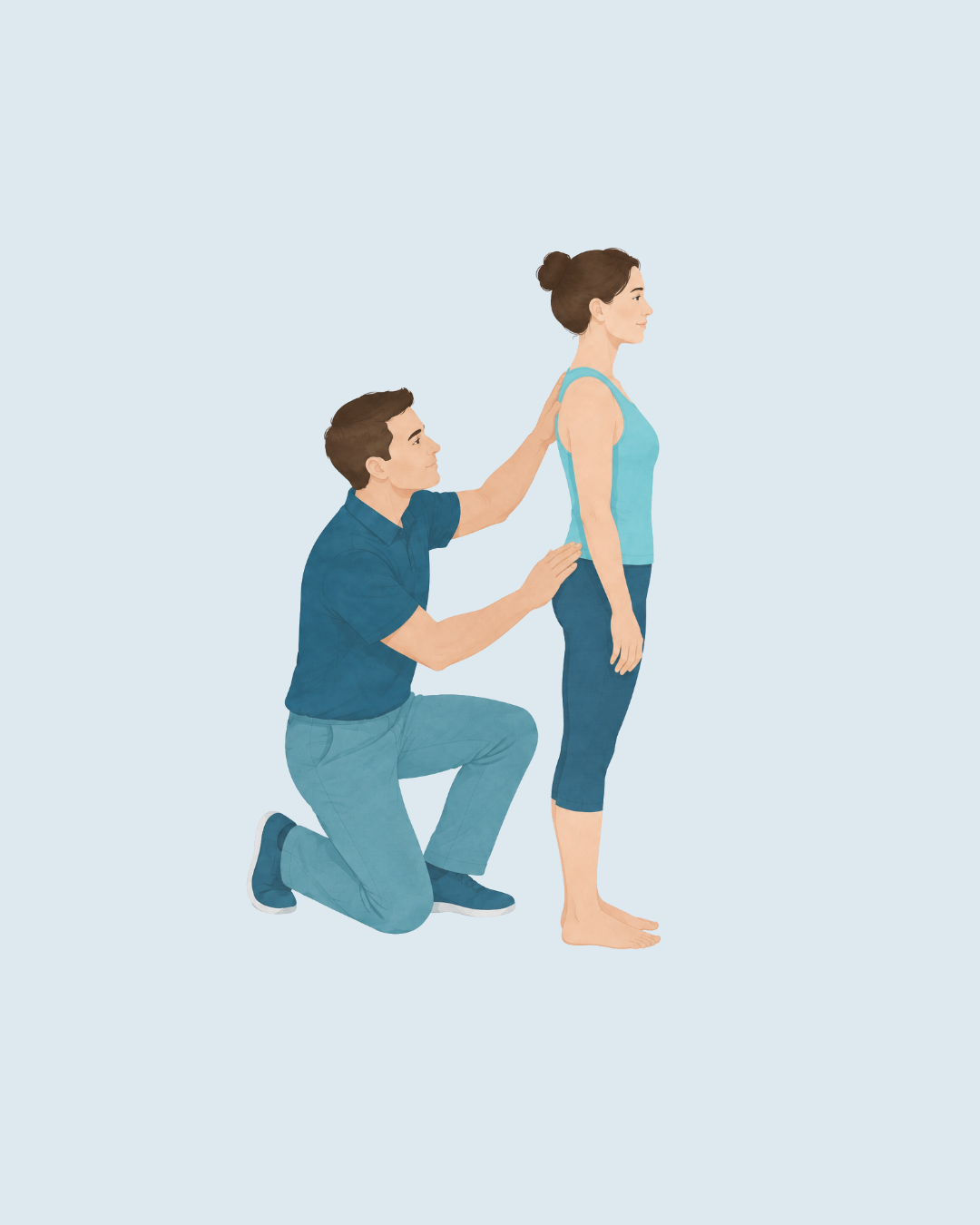
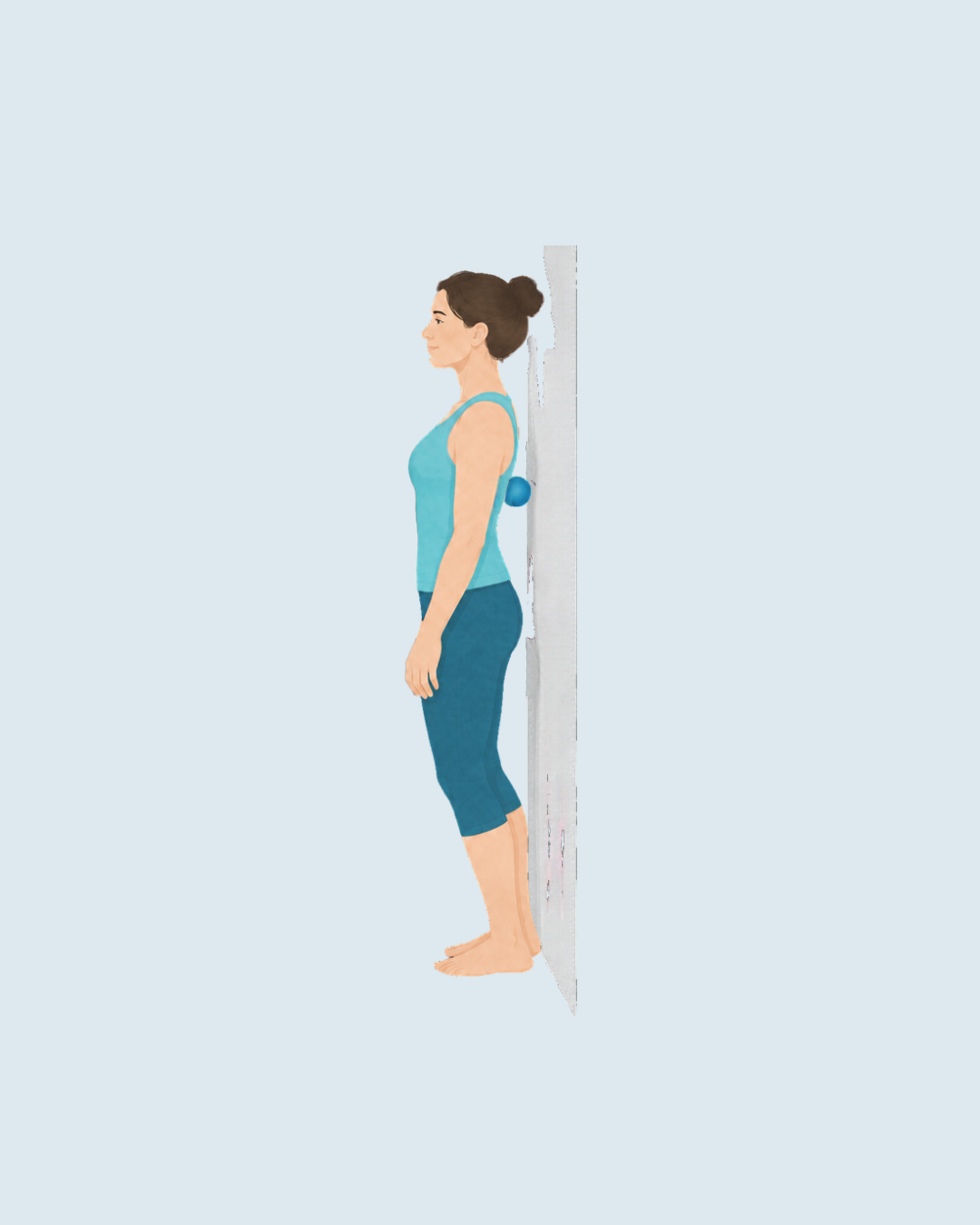
This phase focuses on improving your postural awareness and learning practical adjustments that feel comfortable.
Your therapist guides you through posture training and provides exercises to practise at home, helping you apply what you learn to everyday activities and develop more flexible movement habits.
This phase focuses on addressing soft-tissue tension and restrictions that may affect your posture and movement.
Your clinic sessions include hands-on myofascial release, and you will learn techniques to practise at home between appointments to support your progress.

This phase focuses on integrating what you have learned through corrective exercises tailored to your needs.
Your clinic sessions and home workouts help you develop movement control and apply these skills to everyday activities, with your therapist adjusting the programme to support your progress and goals.
Phase 3 - Corrective Exercises (5 - 10 Weeks)
Postural Correction: Frequently Asked Questions
Postural Correction: FAQ
-
The programme typically runs over approximately 10 weeks and includes 7–10 clinic sessions. The exact schedule depends on your individual needs and progress.
-
The programme is designed to progress through three phases over approximately 10 weeks. Your therapist will discuss the appointment schedule with you and how to organise your home practice between sessions.
-
Yes. Home practice is an important part of the programme. You will receive exercises to complete between clinic sessions, with videos sent to your email so you can refer to the instructions whenever needed.
-
There is no single ideal posture that everyone should maintain, and posture naturally changes throughout the day. The programme aims to help you develop greater awareness, movement options and habits that you can continue using after the programme ends. Long-term changes depend on several factors, including consistency and individual circumstances.
-
It may help you address movement habits, mobility restrictions or areas of tension that are relevant to your symptoms. Neck and back pain can have many contributing factors, so your therapist will assess your needs and discuss whether the programme is suitable for you.
-
The programme is not suitable for every person or condition. Your therapist will consider your symptoms, health history, mobility and goals before recommending treatment. If further assessment or a different approach is needed, we will discuss this with you.
-
ACC coverage depends on your injury, claim and the services provided. If your symptoms relate to an injury covered by ACC, contact us to discuss whether treatment may be covered and what fees may apply.

Ready To Get Started?
Take the next step towards moving more comfortably.