
NeuroKinetic Therapy in Christchurch
Understanding movement and function.
NeuroKinetic Therapy (NKT) is an approach that explores how the brain and muscles work together to coordinate movement. It uses manual muscle testing to assess muscle function and identify movement patterns that may be contributing to discomfort or difficulty moving.
At MK Osteopathy, we use NKT to explore how your body moves and functions, helping guide treatment towards your individual needs and goals.
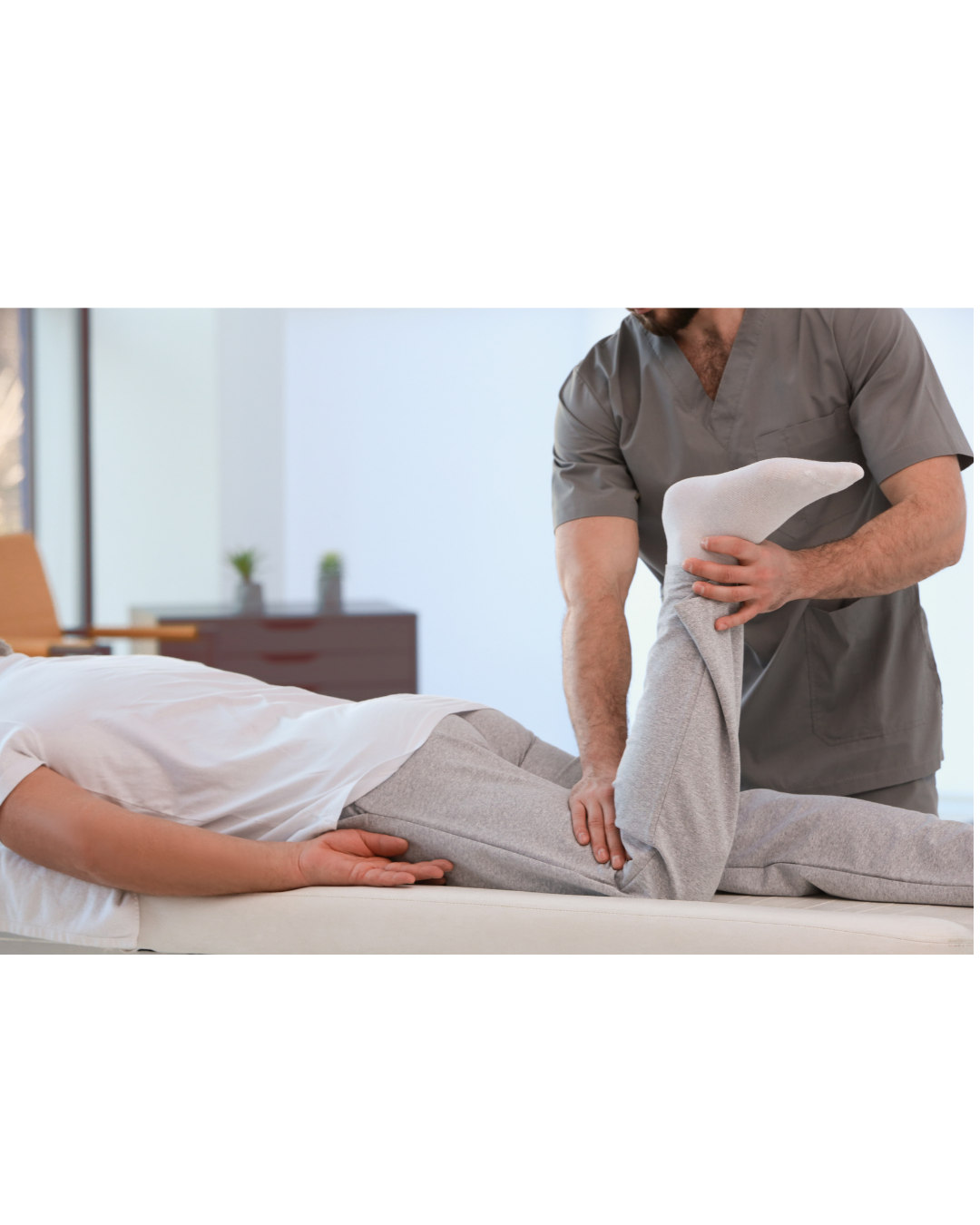
What is NeuroKinetic Therapy (NKT)?
NeuroKinetic Therapy is a movement-based assessment and treatment approach that focuses on the relationship between the nervous system and the muscles.
Pain, injury or changes in movement can sometimes lead the body to develop alternative ways of moving. NKT uses manual muscle testing to explore how muscles are responding and coordinating with one another.
Treatment may include hands-on techniques and specific movement exercises to help improve muscle coordination and movement control.
Rather than focusing only on the area where you feel pain, NKT considers how different muscles and movement patterns may be influencing the way your body functions.
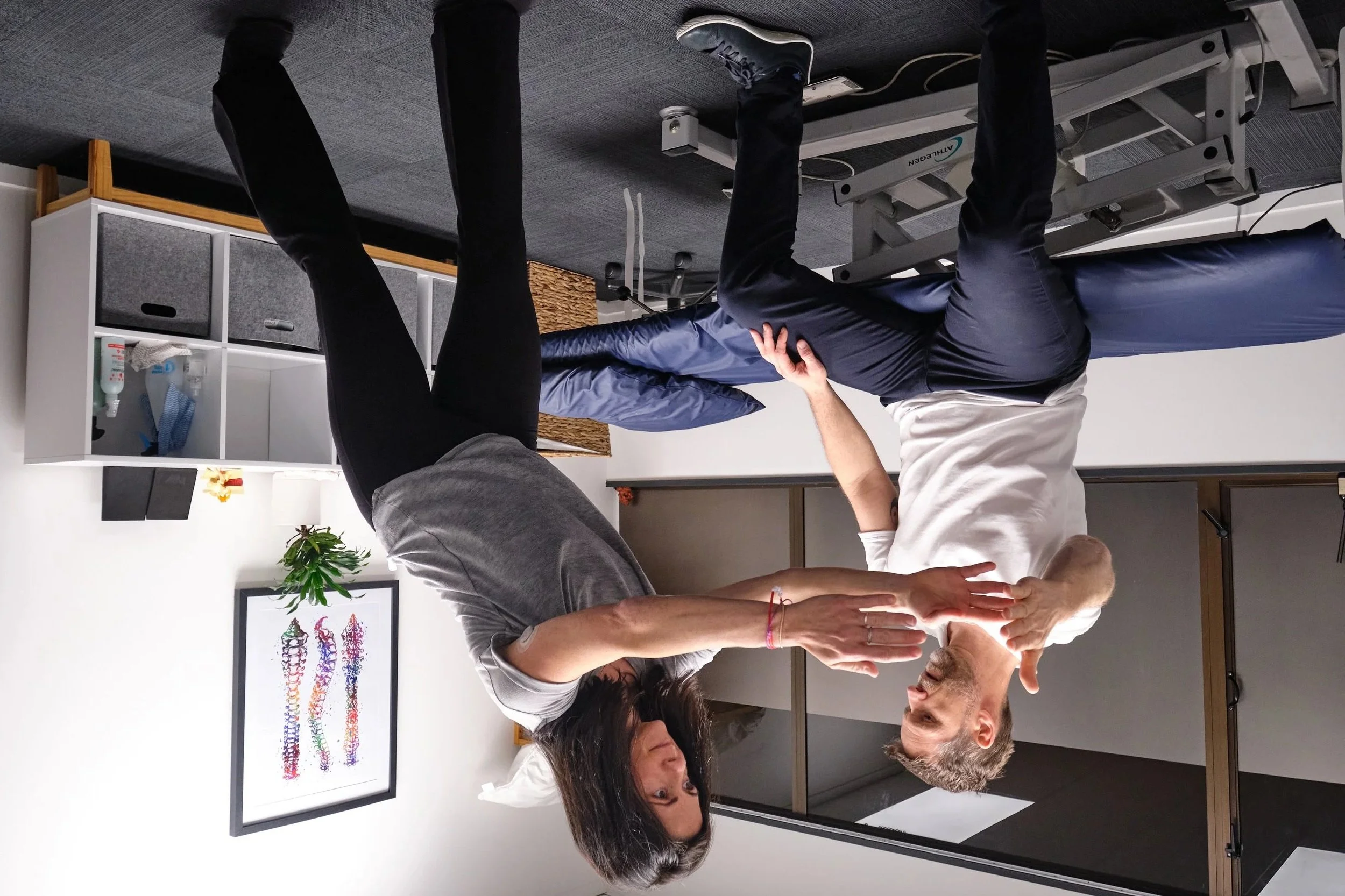
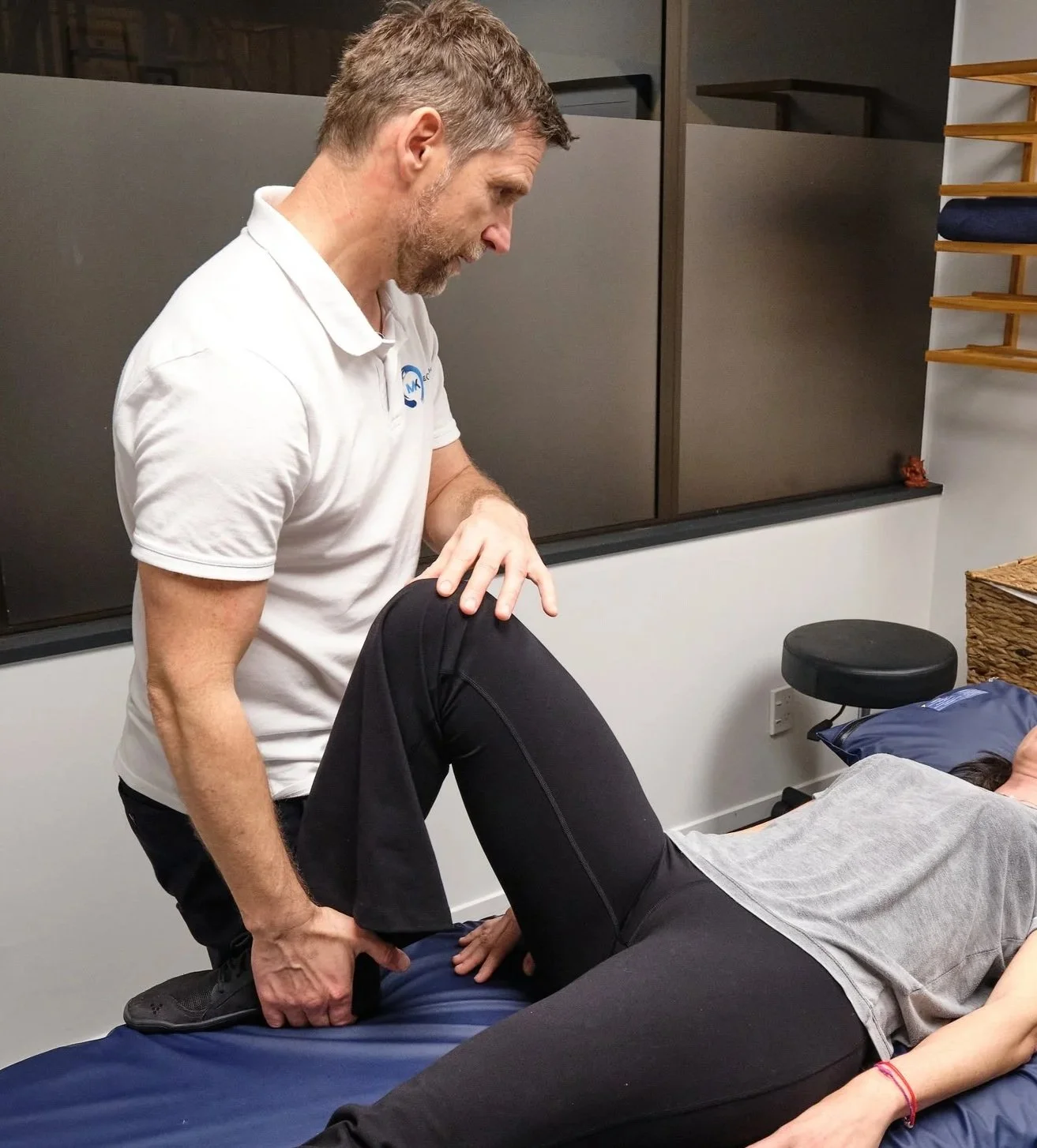
The connection between muscles and movement
NKT explores these relationships to help guide treatment.
The way you move can be influenced by more than the area where you feel discomfort. Changes following an injury, repetitive activities or altered movement strategies may affect how different muscles work together.
We look at things such as:
Muscle function - How different muscles respond during testing and movement.
Movement patterns - How your body coordinates movement and whether you have developed alternative ways of moving.
Previous injuries - How changes following an injury may influence your current movement.
Muscle coordination - How different muscles work together to support everyday activities.
Activity and movement demands - How your work, exercise and daily activities relate to your movement difficulties.
How and who can NKT help?
NKT may be suitable for people experiencing recurring discomfort, movement restrictions or difficulties with activities they enjoy.
It may be particularly relevant for:
Active people and athletes
Office and desk-based workers
People recovering from injuries
People experiencing persistent muscle or joint discomfort
People with recurring movement difficulties
The approach is tailored to the individual, taking into account their symptoms, movement and goals. NKT may also be incorporated into a broader osteopathic treatment or rehabilitation plan where appropriate.
If another approach or further assessment would be more suitable for your needs, we will discuss this with you.
NKT Appointment?
Your appointment is tailored to you. Here’s what you can expect.

Understanding Your Symptoms

Movement & Muscle Assessment
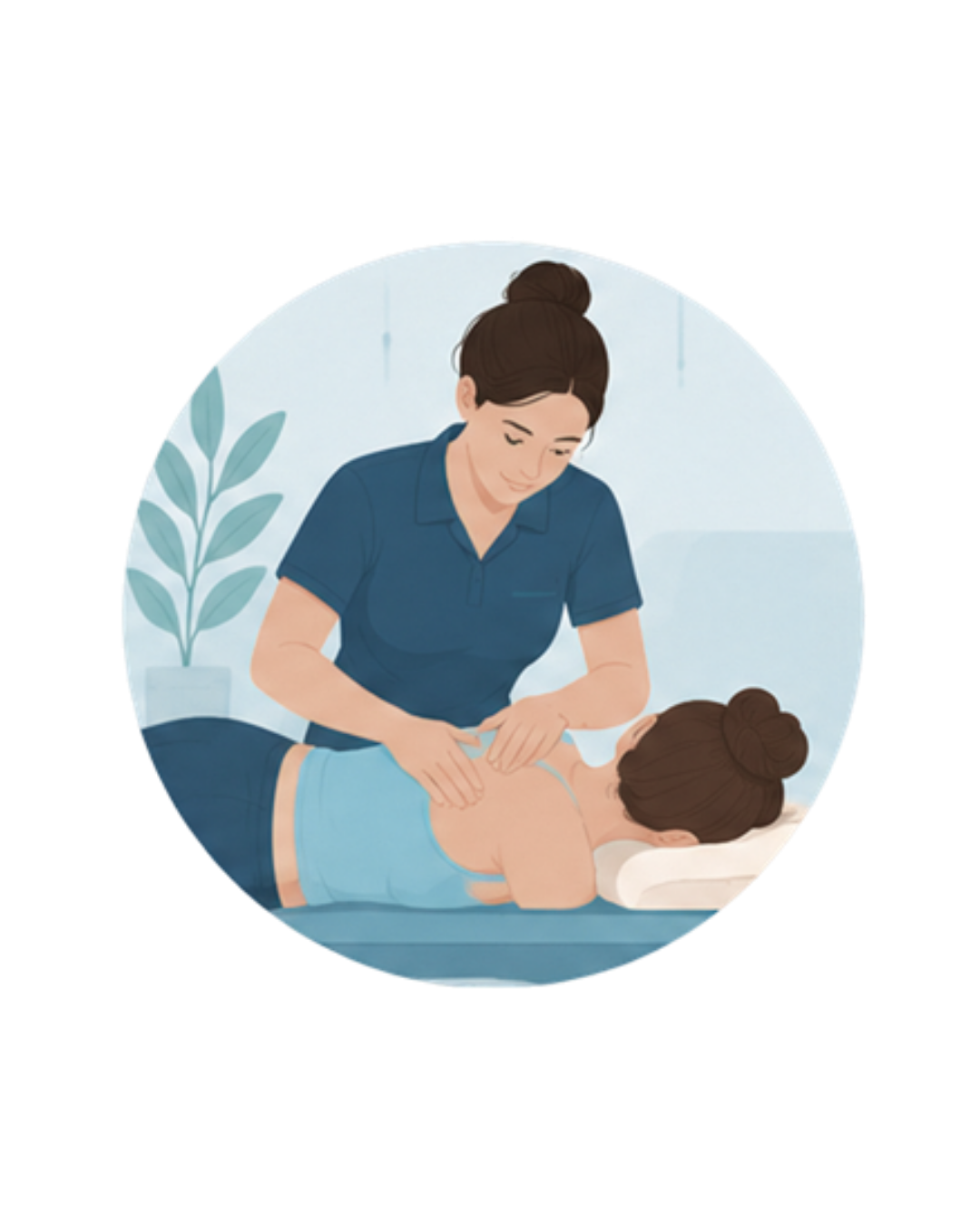
Targeted Treatment
Your therapist assesses your movement and uses specific muscle testing to identify imbalances and compensations your body may have developed.
We start by discussing your symptoms, your history and what you would like help with.

Personalized Plan
Treatment focuses on addressing identified muscle imbalances and improving how your muscles work together, using techniques tailored to your needs.
We discuss what you can do between appointments to support your recovery and return to the activities that matter to you.
NeuroKinetic Therapy: FAQ
NeuroKinetic Therapy: Frequently Asked Questions
-
NKT is used to assess muscle function and movement patterns that may be relevant to pain, discomfort or movement difficulties.
-
It uses manual muscle testing to explore how muscles respond and coordinate. The findings help guide hands-on treatment and movement exercises where appropriate.
-
No. NKT is a specific assessment and treatment approach focused on muscle function and movement coordination. It can be used alongside osteopathy as part of an individual's care.
-
Not necessarily. Suitability depends on your symptoms, health history and goals. Your therapist can help determine whether NKT is appropriate for you.
-
This varies between individuals. Your needs and response to treatment will help guide the recommended approach.
-
NKT may help explore movement patterns that could be relevant to your symptoms. However, pain can have many contributing factors, and outcomes vary between individuals.
-
Your therapist will discuss your concerns, assess muscle function and movement, and use the findings to guide treatment. This may include hands-on techniques and targeted exercises.
-
Yes, if your appointment relates to an injury covered by ACC, your NKT treatment may be covered under your ACC claim. Contact us if you have any questions about your eligibility or any applicable fees.

Ready To Get Started?
Take the next step towards moving more comfortably.