
Muscle & Joint Pain| Osteopathy in Christchurch
Muscle and Joint pain can affect people of all ages and can make everyday movement more difficult. You may experience aching, stiffness, tension or pain after an injury, following changes in activity, through repetitive use or as part of an ongoing condition.
Sometimes symptoms are felt in one particular area, while at other times discomfort can affect several parts of the body. Muscle and joint problems can also influence the way you move, which may place additional demands on other areas.
At MK Osteopathy, we look at your symptoms alongside how your body moves and functions to help understand what may be contributing to your discomfort.
WHAT WE TREAT
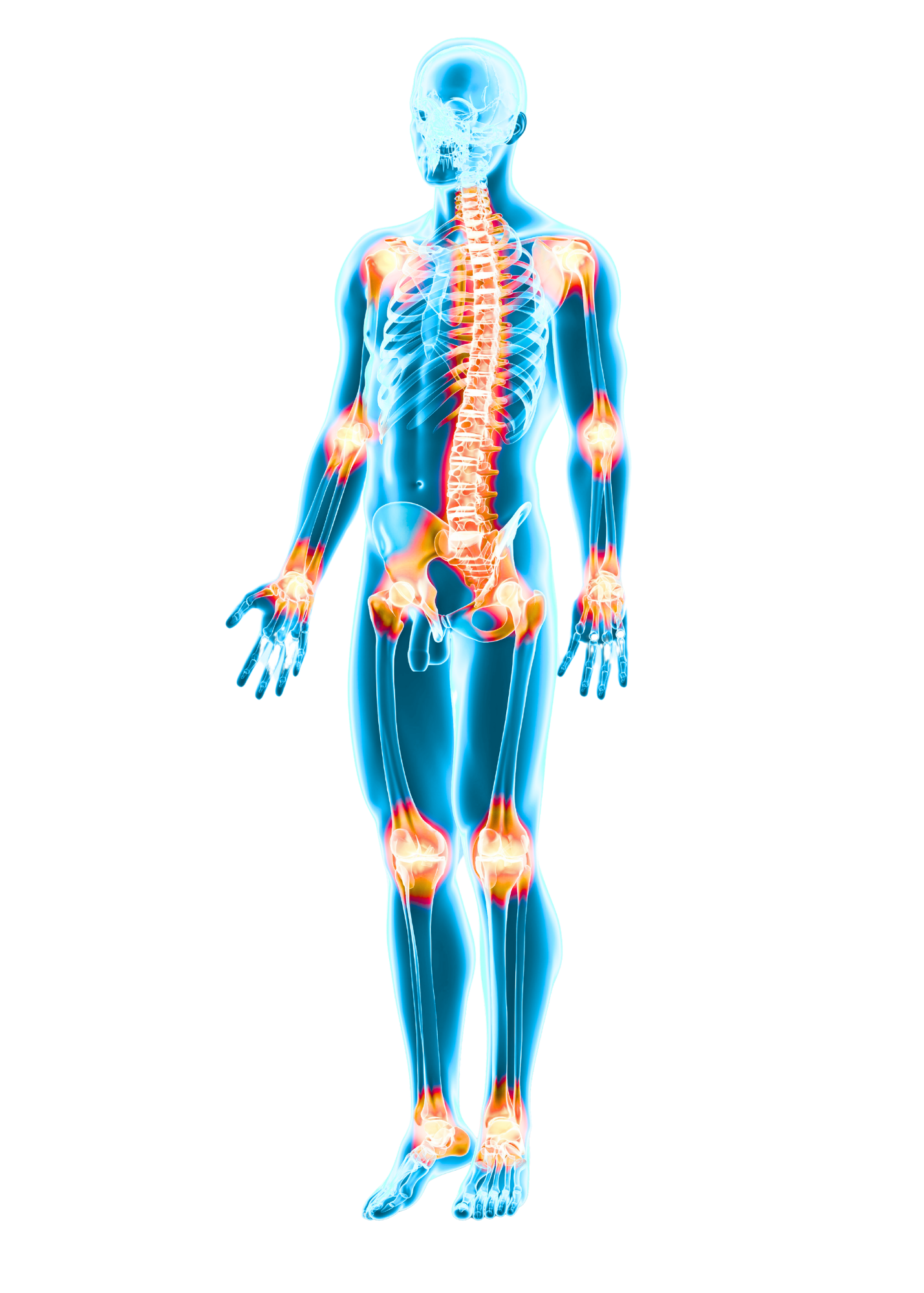
What are you experiencing, and what could be contributing?
Muscles and joints work together to support almost everything you do, from walking and lifting to sitting and exercising.
When pain, stiffness or tension develops, it can affect how comfortably and confidently you move through everyday life.
-
Muscle aches or soreness.
Joint pain or stiffness.
Muscle tension or tightness.
Muscle spasms or cramps.
Reduced range of movement.
Pain during or after activity.
Joint swelling or tenderness.
Muscles weakness or fatigue.
Pain that comes and goes.
Difficulty with everyday movements or activities.
-
Previous injuries or trauma.
Repetitive movements or overuse.
Changes in activity or workload.
Muscle weakness or altered coordination.
Joint stiffness or reduced mobility.
Prolonged or sustained positions.
Changes in movement patterns.
Age-related changes in joints and tissues.
Physical or sporting demands.
Ongoing health conditions affecting muscles or joints.
A plan that Suits You
There is no single approach to muscle and joint pain.
Some people may benefit from hands-on treatment to help improve comfort and movement, while others may need more emphasis on mobility, strength, coordination or gradually increasing their tolerance to activity.
Your treatment plan will be based on your assessment, your goals, your daily activities and how your body responds over time.
HOW WE CAN HELP
-
We take the time to understand your symptoms, your lifestyle and how your pain is affecting your movement and daily activities.
-
Your osteopath may assess your joint mobility, muscle function, strength, range of movement and coordination.
We may also consider how different areas of your body work together and whether changes in movement are contributing to your symptoms.
-
Depending on your individual needs, treatment may include hands-on osteopathic techniques, myofascial approaches and movement-based rehabilitation.
Our approach is focused on helping you move more comfortably and understand the factors that may be contributing to your symptoms.
Muscle & Joint Pain: FAQ
Muscle & Joint Pain:
Your Questions Answered
-
There are many possible causes and contributing factors. Pain can develop after an injury, through repetitive use or changes in activity, or alongside conditions affecting the muscles and joints. Sometimes several factors contribute rather than there being one clear cause.
-
Muscle tension can occur for many reasons, including physical activity, repetitive movements, prolonged positions, stress or changes in how you move. Your osteopath can assess how the affected muscles and surrounding areas are functioning and what may be contributing to the tension.
-
Muscle spasms and cramps can have different causes. They may occur after physical exertion or muscle fatigue, while dehydration or changes in electrolyte balance may contribute in some situations. Frequent, severe or unexplained spasms should be discussed with a healthcare professional.
-
Osteopathy may be appropriate for some types of musculoskeletal muscle pain. Your osteopath will assess your symptoms and movement and may use hands-on treatment, myofascial approaches and movement-based rehabilitation depending on your individual needs.
-
Osteopathy does not cure arthritis, but it may form part of a broader approach to managing musculoskeletal symptoms associated with some types of arthritis. Treatment may focus on maintaining movement, supporting function and helping you manage discomfort alongside other medical care.
-
The right level and type of exercise depends on your symptoms and the underlying condition. In many situations, appropriate movement and gradual strengthening can be helpful, but exercises should be adapted to your individual needs. Your osteopath can help you understand what types of movement may be appropriate.
-
It can. When an area becomes painful or stiff, you may naturally change the way you move. This can alter how other muscles and joints are used. Looking at how different parts of your body work together can therefore be useful when assessing ongoing symptoms.
-
Medical assessment may be appropriate if your pain is severe, follows significant trauma, is accompanied by significant swelling, redness or fever, or if you experience unexplained weakness or other concerning symptoms.
If you have an ongoing or diagnosed condition, your osteopath can also work alongside your other healthcare providers where appropriate.

Ready To Get Started?
Take the next step towards moving more comfortably.