
Joint pain affects a large number of New Zealanders, whether from overuse, injury, ageing, or underlying conditions. Research suggests that up to two-thirds of adults experience musculoskeletal discomfort, including stiff or sore joints, at some point in their lives. This pain can make daily activities challenging and impact quality of life.
While conventional treatments play a key role, an increasing number of people are exploring natural options for ongoing relief. Certain herbs have been well studied for their ability to reduce inflammation, ease stiffness, and improve movement, often complementing manual therapies such as the structural and mobility-focused care offered at MK Osteopathy in Christchurch.

The Role of Herbal Medicine in Managing Joint Pain
Across cultures, herbal medicine has long been used to manage joint discomfort. Modern research now helps explain why: many herbs act on the same biological pathways as common anti-inflammatory medications but tend to have fewer side effects.
Herbs such as turmeric, ginger, boswellia, and willow bark contain compounds that help regulate the body's inflammatory response and ease pain signals. A 2022 study found that taking 1.5 grams of ginger daily helped reduce inflammatory markers in people with rheumatoid arthritis, while a 2021 review showed curcumin, the active compound in turmeric, improved pain and function compared to placebo.
Why Herbs and Osteopathic Care Work Well Together
Osteopathic care, particularly the hands-on, whole-body approach used at MK Osteopathy, focuses on improving structure, alignment, and movement, helping joints function at their best. Herbal remedies, meanwhile, target the biochemical side of inflammation. Together, they create a balanced approach to managing pain and mobility.
Because many herbs are gentle and suitable for long-term use, they can also help reduce reliance on non-steroidal anti-inflammatory drugs (NSAIDs), which may cause digestive or cardiovascular side effects when used frequently.
Combining osteopathic care with herbal support can help reduce inflammation internally while improving joint function externally. Over time, this can support smoother movement, less pain, and better overall quality of life.
Key Medicinal Herbs for Joint Health and Pain Relief
Turmeric (Curcuma longa)
Turmeric is one of the most researched herbs for joint health. Its key compound, curcumin, has powerful anti-inflammatory and antioxidant effects. Studies show it can block inflammatory pathways and protect cartilage cells from damage. In some trials, curcumin performed comparably to ibuprofen for reducing osteoarthritis pain and swelling.
Boswellia (Boswellia serrata)
Also known as frankincense, Boswellia resin contains boswellic acids that help block the enzymes responsible for inflammation. Several clinical studies have shown it can improve joint pain, stiffness, and function in people with osteoarthritis. Boswellia may also help protect cartilage from further breakdown over time.
Willow Bark (Salix alba)
Sometimes called "nature's aspirin," willow bark contains salicin, which the body converts into salicylic acid, the same active ingredient in aspirin. Research shows it can help relieve pain from osteoarthritis and back discomfort, offering a gentler, plant-based option.
Ginger (Zingiber officinale)
Beyond its culinary uses, ginger helps improve circulation and reduce inflammation. Clinical studies show ginger extract can significantly reduce knee pain and stiffness in osteoarthritis, particularly when combined with other anti-inflammatory herbs such as turmeric.
Nettle Leaf (Urtica dioica)
Rich in minerals like calcium, magnesium, and iron, stinging nettle supports healthy connective tissue. Some research shows topical or oral use of nettle can reduce joint pain and improve comfort, making it a gentle and nourishing choice for ongoing support.
Devil's Claw (Harpagophytum procumbens)
Native to southern Africa, devil's claw contains harpagoside, a compound shown to relieve pain and improve flexibility in osteoarthritis and lower back pain. Studies report that regular use can help many people reduce their need for pain medication.
Turmeric, ginger, boswellia, and willow bark have all shown measurable benefits for mild to moderate joint pain in clinical studies.
Integrating Herbal Support with Osteopathic Care
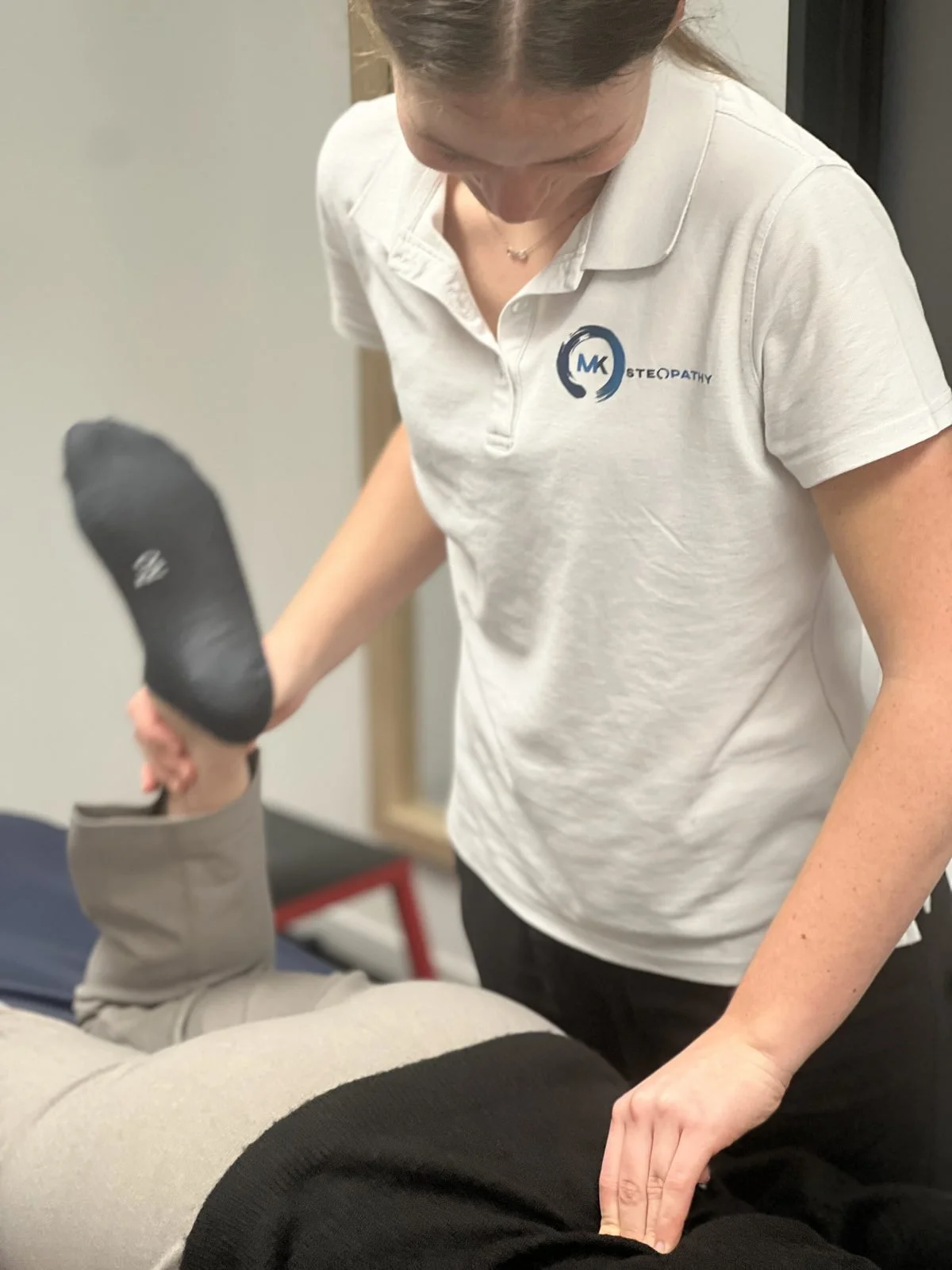
The best results often come from combining therapies that address both structure and inflammation. Osteopathic adjustments and soft-tissue work at MK Osteopathy help improve joint mobility, while herbs calm the body's internal inflammatory processes.
For example, turmeric or boswellia may help reduce swelling inside the joint capsule, making osteopathic treatments more comfortable and effective. Over time, this combination can support smoother movement, less pain, and better overall quality of life.
If you're considering herbal support, it's best to consult a qualified naturopath or osteopath who can recommend the most suitable options for your individual situation, especially if you take prescription medications.
Supporting joint health from multiple angles, including movement therapies and natural anti-inflammatory strategies, can enhance overall comfort and mobility.
Practical Tips for Safe Use
Start with one herb at a time. This helps you see what works best for your body and minimises the chance of unwanted effects.
Choose high-quality products. Look for practitioner-grade supplements that guarantee purity and potency. Retail supplements are poorly regulated in NZ.
Check for interactions. Some herbs can affect how medications work and should not be taken together, particularly blood thinners or medications for blood pressure, diabetes, or autoimmune conditions. Always seek professional advice first.
Bringing It All Together
Natural remedies offer valuable support for joint pain, especially when combined with osteopathic care. Herbs like turmeric, boswellia, ginger, and willow bark can reduce inflammation and help you move more freely, while nettle and devil's claw provide additional nourishment and comfort.
Scientific research continues to confirm what traditional systems have known for centuries: nature offers powerful tools to ease pain and improve quality of life. When used under professional guidance, herbal medicine can reduce the need for painkillers while supporting long-term joint health naturally.
If you'd like to explore how osteopathic treatment at MK Osteopathy can work alongside personalised herbal support from SmartGENES Naturopathic Clinic, you can connect with both clinics below.
Ready to Explore an Integrated Approach to Joint Health?
Combining osteopathic care with natural herbal support could be the comprehensive solution you've been looking for.
Contact MK Osteopathy:
📞 03 925 9368
📧 kiaora@mkosteopathy.co.nz
📍 Christchurch City, between Barbados and Churchill Street
Contact SmartGENES Naturopathic Clinic:
References
Shokri-Mashhadi N. Phytotherapy Research, 2022 – Ginger supplementation in rheumatoid arthritis.
Sahebkar A. Journal of Medicinal Food, 2021 – Curcumin and osteoarthritis: systematic review.
Mayo Clinic News Network – "Turmeric for Healthier Diet & Pain Relief."
Ammon H.P. Planta Medica, 2019 – Boswellia serrata and osteoarthritis outcomes.
WebMD: Willow Bark Monograph, 2023.
Arthritis Foundation: "Health Benefits of Ginger."
Healthline: "Stinging Nettle Benefits for Joint Health."
Chrubasik S. Phytomedicine, 2014 – Devil's claw in musculoskeletal pain.
